Five days and four nights is enough for Paro, Thimphu and Punakha — the three western valleys that hold most of what people come to Bhutan to see — on one condition: you do not climb anything on the afternoon you land. Get the sequence right and this is a relaxed trip. Get it wrong and it is a rushed one with a bad morning in the middle.
The working shape is two nights in Paro, one in Thimphu, one in Punakha, with the Tiger's Nest climb on day four once you have had three nights at altitude. Total driving across the whole itinerary is around seven hours, in three moves.
Why does five days work?
Because the three valleys sit close together, and because Bhutan's road network makes anything further genuinely expensive in time.
Paro to Thimphu is 55 km. Thimphu to Punakha is 75 km. Both are half-day moves rather than travel days, which means a five-day trip gets three distinct valleys, four or five significant sights, one high pass and the Taktsang climb without a single day spent mostly in the car.
Push to a fourth valley — Bumthang, Phobjikha, Trongsa — and the arithmetic changes sharply. Phobjikha is another four to five hours east of Punakha over a 3,400 m pass; Bumthang is a full day's drive or a domestic flight. Those are excellent additions to a seven- or eight-night trip and a mistake on a five-day one.
So five days is not a compromise version of Bhutan. It is the natural size of the western circuit.
What does the route look like day by day?
- Day 1 — arrive Paro. Land late morning, valley sights at low altitude, sleep at 2,235 m.
- Day 2 — Paro to Thimphu. 90 minutes' drive, afternoon and evening in the capital at 2,320 m.
- Day 3 — Thimphu to Punakha. Two and a half hours over Dochula pass, down to 1,200 m.
- Day 4 — Punakha to Paro, then Taktsang. Three hours back over the pass, second night in Paro.
- Day 5 — depart Paro. Morning flight to Bangkok.
There is one significant variant, covered further down: if your outbound flight leaves after lunch on day five, the Tiger's Nest climb can move to the dawn of day five instead, which frees the whole of day four.
Day 1 — what should you actually do in Paro?
Land, and stay low.
Bhutan Airlines arrives into Paro late morning from Bangkok, so you have a full afternoon. Spend it at valley level, between 2,200 and 2,600 m: Rinpung Dzong and the traditional bridge below it, the National Museum in the old round watchtower, and Kyichu Lhakhang, one of the country's oldest temples. Twenty minutes on the main street is enough to see the town and buy a SIM.
What not to do is drive up to Chele La at 3,988 m, or start Taktsang, or eat and drink as if you were at sea level. You have gained 2,235 m in three and a half hours and the next two days depend on how you treat this one. Acclimatising properly in Bhutan sets out what normal feels like and what is not.
A farmhouse dinner and a hot stone bath is the best possible use of the first evening — what a Paro farmhouse stay is like — and the first-timer's guide to Paro has the valley in more detail.
Day 2 — Paro to Thimphu
55 km, about 90 minutes, following the Paro Chhu down to its confluence with the Wang Chhu and then climbing gently into the capital.
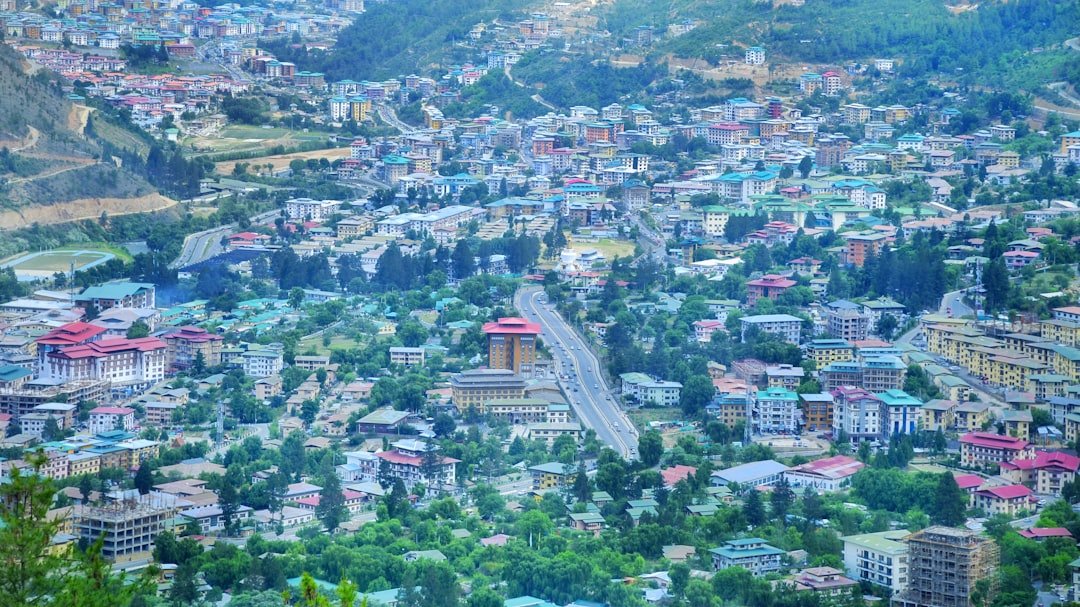
Thimphu is the only capital city in the world without traffic lights, which is a better fact than it sounds: a policeman directs traffic at the main junction, and the city is small enough for that to work. At 2,320 m you are barely higher than Paro, so this is still an acclimatisation day by accident.
The core half-day is Tashichho Dzong, the seat of government and the central monk body, best seen in the late afternoon when the light is on the whitewash; the Buddha Dordenma, a 51 m gilded statue on a ridge with the whole valley below it; and the Memorial Chorten, which is busier with Bhutanese pilgrims than with visitors.
If your day two is a Saturday or Sunday, the weekend market by the river is the best hour in Thimphu — chillies, dried cheese, incense, betel, and produce carried in from valleys you will not visit. Things to do in Thimphu covers the rest, including the textile museum and the takin preserve.
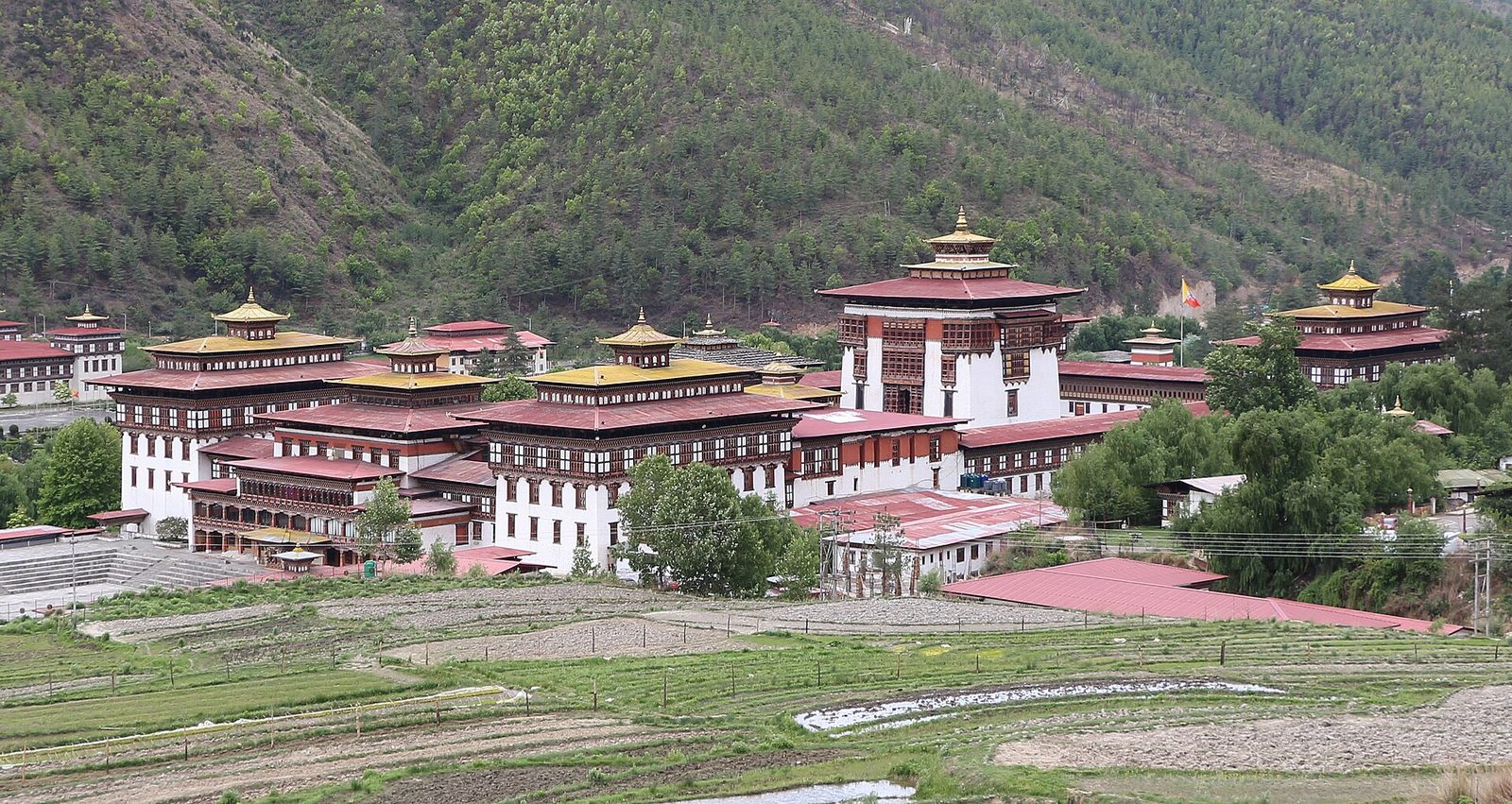
Day 3 — Thimphu to Punakha over Dochula
75 km, around two and a half hours, and the best drive of the trip.
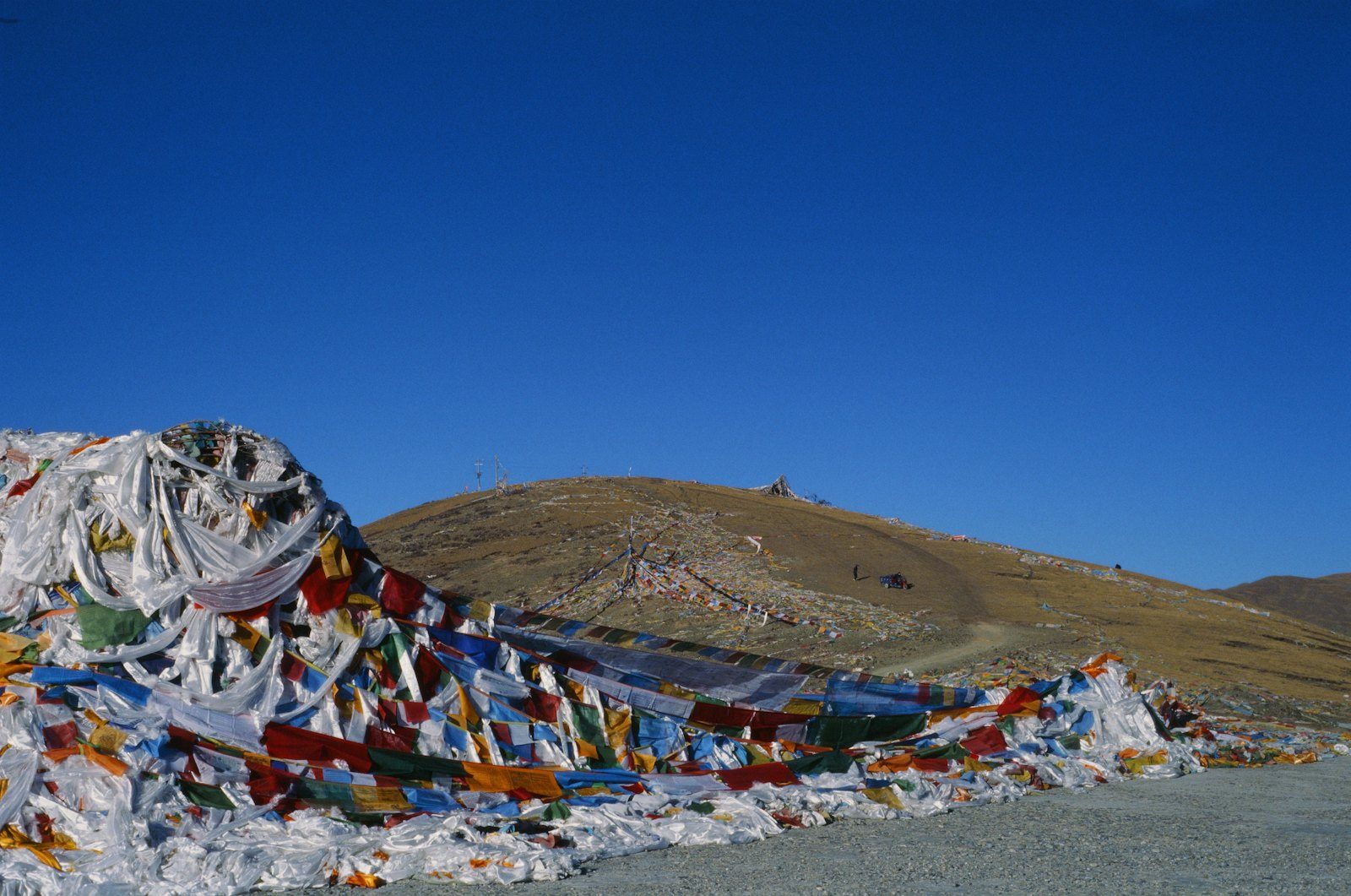
The road climbs from 2,320 m to Dochula pass at roughly 3,100 m, where 108 memorial chortens stand in ranks and, on a clear morning, the eastern Himalaya shows along the horizon. Then it drops for an hour and a half into the Punakha valley at 1,200 m — subtropical, warm, and a different country from the one you woke up in.
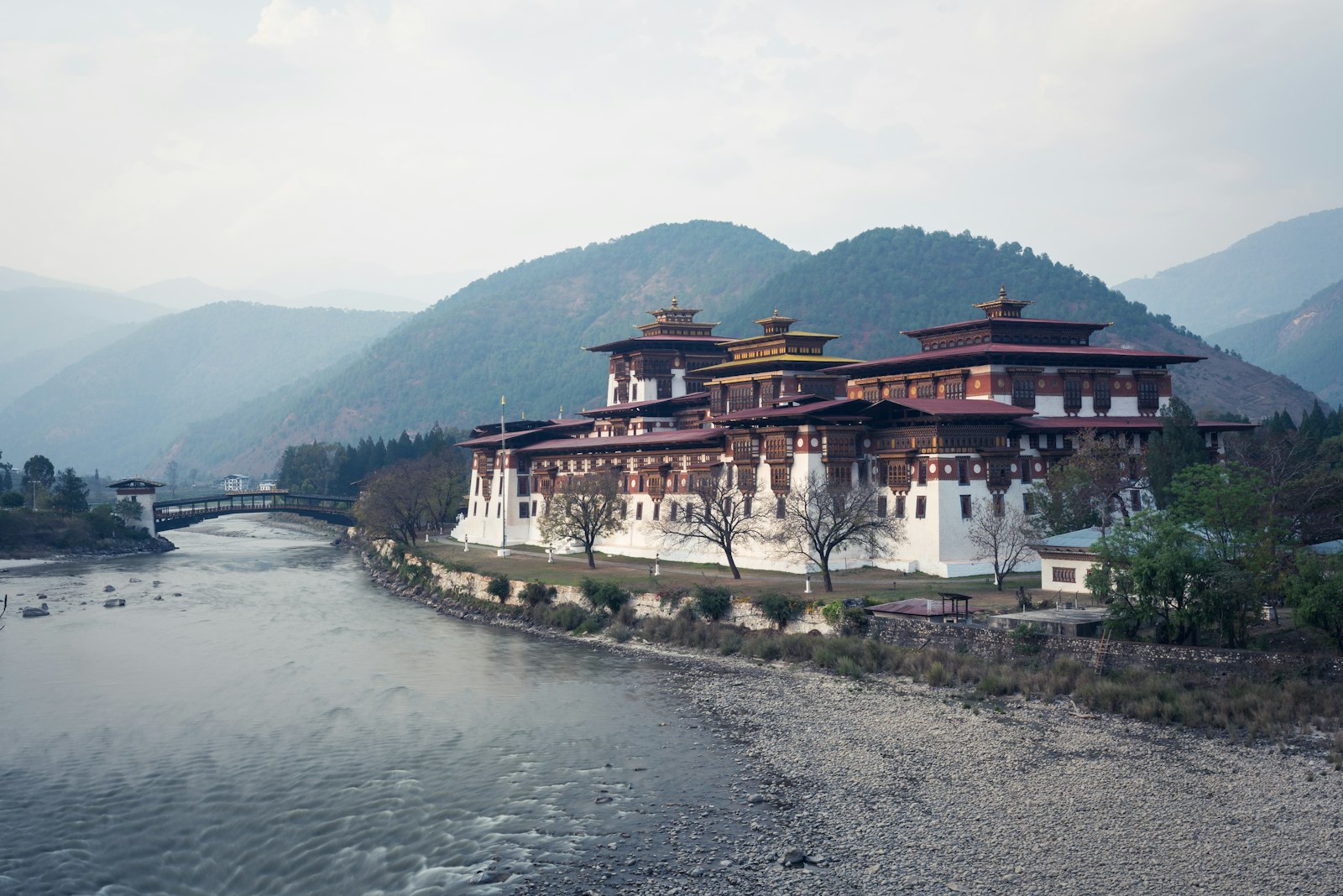
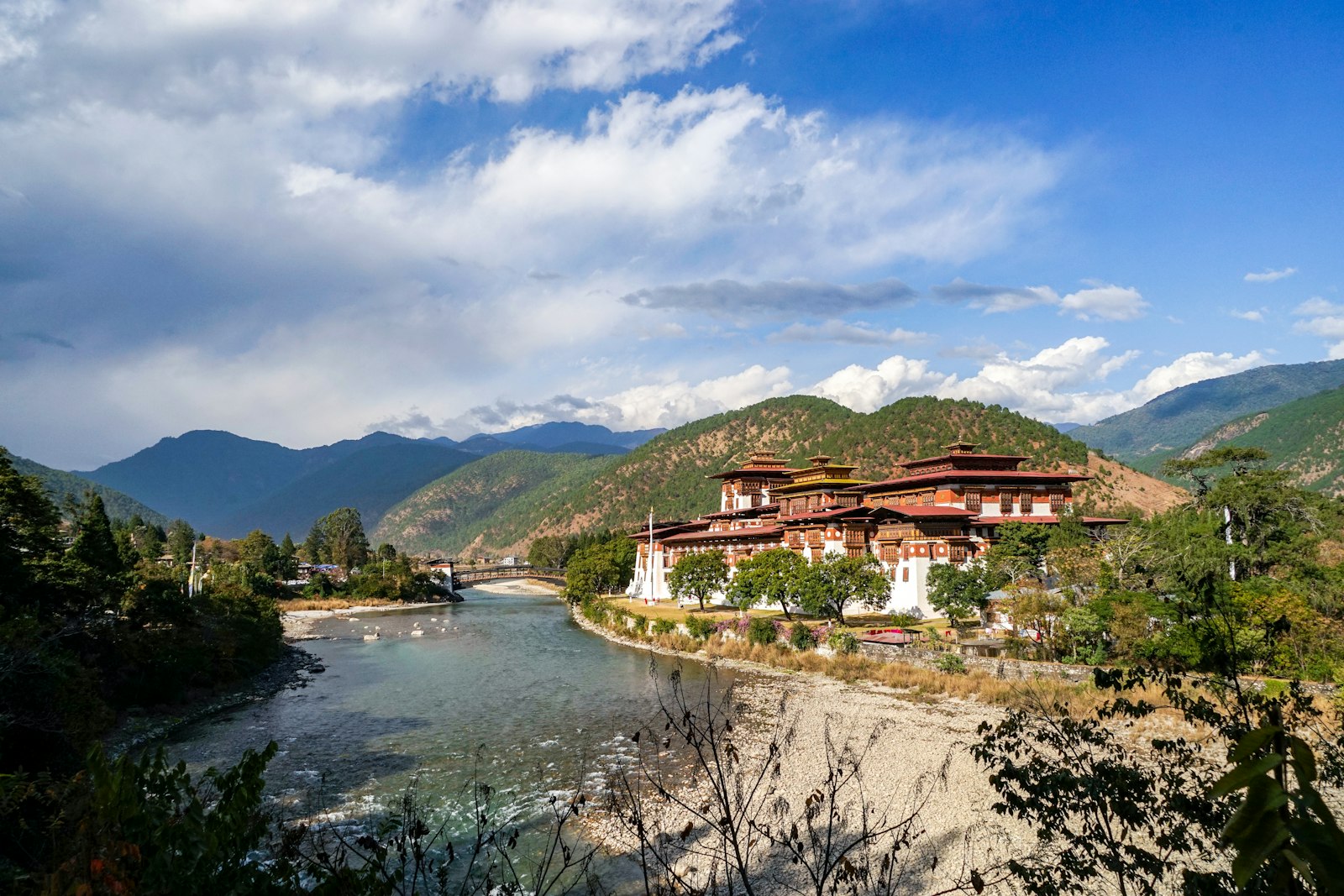
Punakha was Bhutan's capital until 1955 and its dzong is the one people remember. Punakha Dzong sits on the spit of land where the Pho Chhu and Mo Chhu rivers meet, reached across a wooden bridge, with jacaranda in bloom in spring. Add the suspension bridge downstream, one of the longest in the country and moving enough underfoot to be memorable, and a walk up through rice fields to Chimi Lhakhang. Punakha Dzong and the suspension bridge has the detail.
The altitude drop is not incidental. A night at 1,200 m after two at 2,300 m is genuinely restorative, and it is the reason this sequence puts Punakha immediately before the Taktsang climb rather than after it.
Day 4 — back to Paro, and the Tiger's Nest
Three hours back over Dochula to Paro, then the climb — or the climb early the next morning, depending on your flight.
The honest version: on a standard five-day itinerary with a morning departure on day five, Taktsang happens on the afternoon of day four, which is tight. The climb takes four to six hours round trip and afternoon cloud is common. So the better arrangement, where the schedule allows, is to leave Punakha at first light, reach Paro by mid-morning, and start the climb before noon.
If instead your day five flight leaves after lunch, take the dawn slot on day five: on the trail by 07:00, back down by 11:00, airport by 12:30. Cooler air, better light, fewer people, and day four becomes an unhurried drive with time for Drukgyel Dzong or Chele La.
Either way, the climb is about 900 m of ascent to roughly 3,120 m, with a final stretch of around 100 m of stone steps down into a gorge and back up to the monastery door. Ponies go as far as the cafeteria at halfway, uphill only. The stage-by-stage Tiger's Nest guide has the timings and the honest assessment of difficulty.
Day 5 — departure
Check-in opens two hours before, and Paro's terminal is small enough to fill quickly. Departure is generally in the morning, and the flight is airborne over the ridges within minutes.
Two operational points worth knowing. Paro is flown visually in daylight only, so weather delays are a real and recurring possibility — what happens when a Paro flight is delayed explains the sequence. And a same-day onward connection from Bangkok is a bad idea for exactly that reason. Leave a buffer.
How much time is actually spent driving?
Roughly seven hours in total across five days, in three moves: 1.5 hours, 2.5 hours, 3 hours. That is less than most people expect from a three-valley itinerary and it is the reason this circuit works.
What does surprise people is the ratio of kilometres to minutes. Bhutan's roads are well surfaced and continuously curved; 130 km of driving in a day is a long day. If anyone in the party is prone to motion sickness, take something before the Dochula stretch rather than during it.
Your quote includes the vehicle, driver and licensed guide throughout. There is no rental option, and the itinerary you book is the route permit you travel on, so changes on the road are a paperwork question rather than a driving one.
What does five days and four nights cost?
Three fixed lines and one you control.
- Sustainable Development Fee: USD 100 per adult per night. Four nights is USD 400 per adult. Children aged six to eleven pay half; under-sixes are exempt.
- Visa: USD 40, once, per person.
- Bangkok–Paro return in economy: published fares start at THB 31,869 including taxes and surcharges at the time of publishing.
- Hotels, meals, guide and vehicle: the variable line, and the only one where the tier you choose changes the total materially.
So before a single room is booked, a four-night trip carries USD 440 per adult in government charges. The full trip cost broken down in baht puts numbers against every row, and what the SDF pays for explains where the USD 100 goes.
For departures we actually operate, with the hotels and dates already fixed, see our Bhutan packages.
What is in the quote, and what is not?
Bhutan's tourism model bundles more than most destinations, which is why comparing a Bhutan quote to a Thailand one misleads.
Included in a standard five-day quote: all four nights of accommodation, breakfast and dinner (usually lunch too), the licensed guide for the whole itinerary, the private vehicle and driver, all monument and museum entry fees, the SDF, and the visa fee. Bhutan Airlines fares include 25 kg of checked baggage and a hot meal in economy as well as business, so there is no add-on there either.
Not included, and worth budgeting for: travel insurance, drinks, tips for the guide and driver, the pony at Taktsang if you want one, laundry, and anything you buy. A hot stone bath at a farmhouse is sometimes extra. Camera fees at a few sites still apply.
The one line to interrogate in any quote is the hotel tier, because it is the only place a five-day Bhutan trip can differ materially in price. Two quotes at the same nightly rate with different hotel names are not the same trip. Ask for the property names rather than a star rating.
What should you pack for these five days?
Layers rather than one coat, because a single day in Paro can move 20°C between dawn and noon, and because this itinerary spans 1,200 m at Punakha to 3,120 m at Taktsang in the space of two days.
The three items that matter most: broken-in shoes with grip for the climb, clothing that covers shoulders and knees for every dzong on the route, and a 20 to 30 litre daypack you can carry up the mountain. The full Bhutan packing list has the seasonal detail and the things people wish they had brought.
What do people get wrong about this circuit?
Booking Taktsang on the arrival day. It is the most common error and it ruins the best day of the trip.
Treating Punakha as optional. The valley is the warmest, lowest and most relaxed night of the itinerary, and dropping it to save three hours of driving trades the best sleep of the trip for a longer afternoon in Thimphu.
Assuming Thimphu needs two nights. It is an interesting small capital rather than a destination city. One night is right on a five-day trip; the second night belongs in Paro.
Planning a same-day connection out of Bangkok. Paro delays are weather-driven and normal. Leave a buffer night on both sides if the onward flight matters.
Expecting to add a valley on arrival. The permit follows the itinerary you booked, so Phobjikha or Bumthang has to be decided at quote stage.
Underestimating the drives. Seven hours total is modest, but they are curved mountain hours, not motorway hours.
Which month should you run this in?
October and November first, then March to May.
Autumn gives the clearest passes, the driest Taktsang trail and the big festivals, which is also why October seats and hotels sell out six to nine months ahead. Spring brings rhododendrons and warmer days with slightly hazier mountain views.
Winter is cold, very clear and noticeably cheaper, and the Punakha night at 1,200 m is a real advantage in January. Monsoon, June to September, is green and quiet, with the Dochula view often closed in and both flights and trails less predictable. The month-by-month guide sets out the trade-offs, and when to book Bangkok–Paro flights covers the booking window.
Can you fit a festival into five days?
Yes, if the festival is in Paro or Thimphu and you build the itinerary around its dates rather than the reverse.
Paro Tshechu in spring and Thimphu Tshechu in autumn both fall inside the western circuit, so a five-day trip can absorb one by giving that valley the extra morning. The masked dances start early and the crowds are Bhutanese rather than touring, which is the point.
The catch is availability. Festival weeks are the hardest dates of the year for both seats and hotels, and the good properties in Paro are gone eight or nine months out. Festival dates follow the lunar calendar and are confirmed year by year, so ask before you assume a month.
A festival further east — Jakar, Trongsa, Gangtey — does not fit five days. That is a seven-night trip.
What would you add with an extra night or two?
One extra night: put it in Paro at the front, so the Taktsang climb sits on day four of an acclimatised trip and day five is unhurried. This is the single best upgrade to the itinerary.
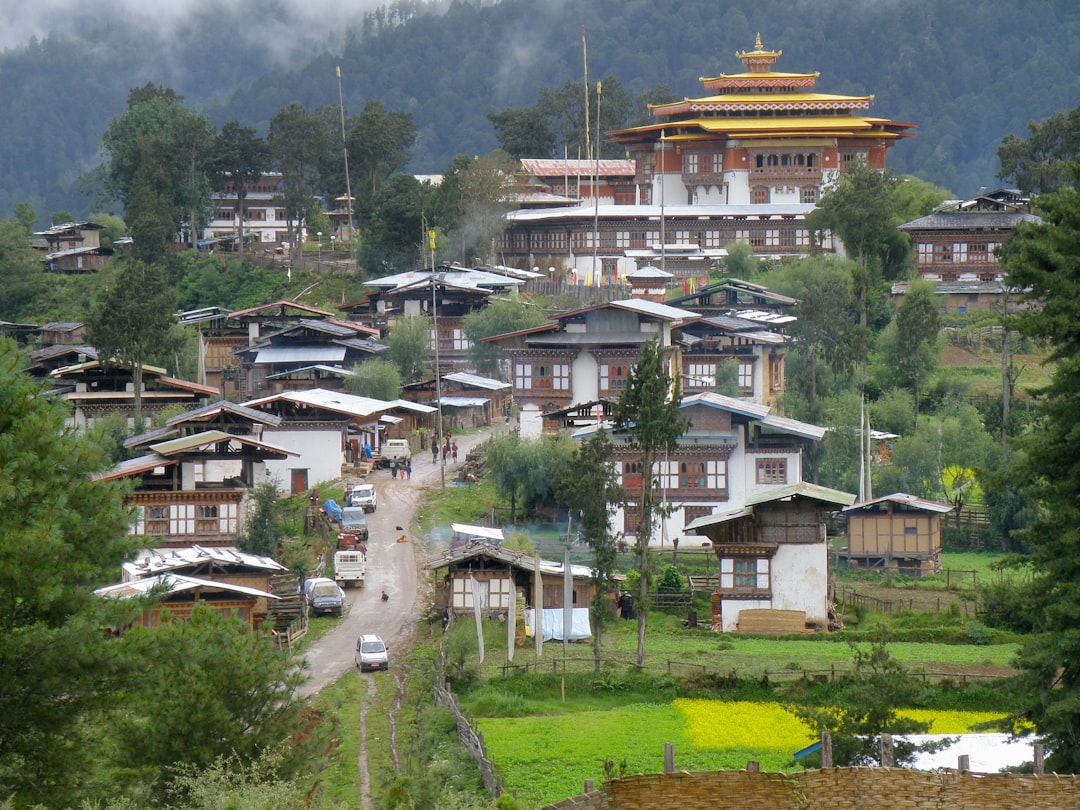
Two extra nights: add Phobjikha, four to five hours east of Punakha, for the glacial valley and — from late October to February — the black-necked cranes. The crane festival at Phobjikha has the dates.
Three or more: Bumthang, the cultural heartland, either a long day's drive or a domestic flight, with the oldest temples in the country and the buckwheat food of the central valleys.
What an extra night should not buy is a second country. A Bodh Gaya or Kolkata extension is a separate trip with its own visa and its own pace, not an add-on to a five-day Bhutan circuit.
Book the circuit
Send your dates and party size through Book & Hold. We hold your seats and return one written quote covering flights, SDF and visa, with the itinerary sequenced so the Tiger's Nest climb falls on a day you are ready for it.
Fares are quoted in Thai baht, per person, inclusive of taxes and surcharges at the time of publishing, and start from the figure shown. Fares, seats and availability are confirmed in writing by OMG Experience, the appointed General Sales Agent for Bhutan Airlines in Thailand, before ticketing.