October and November are the best months to visit Bhutan: dry air, clear mountain views, comfortable daytime temperatures and the year's biggest festivals. March to May is the strong second choice. December to February is cold but exceptionally clear and quiet. June to August is the monsoon — green, wet, cheapest, and the likeliest to delay your flight.
That is the short answer, and for most first trips from Bangkok it is the only answer needed. But "best" depends on what you are optimising for, and the honest month-by-month picture has some genuine surprises in it — including that the most popular month is not the clearest, and that the month most people avoid is the one photographers like most.
Temperatures below are for the western valleys — Paro at 2,235 m, Thimphu at about 2,320 m, Punakha lower at roughly 1,200 m and consistently warmer. Bhutan has no coastline and no lowland heat; altitude, not latitude, sets the weather.
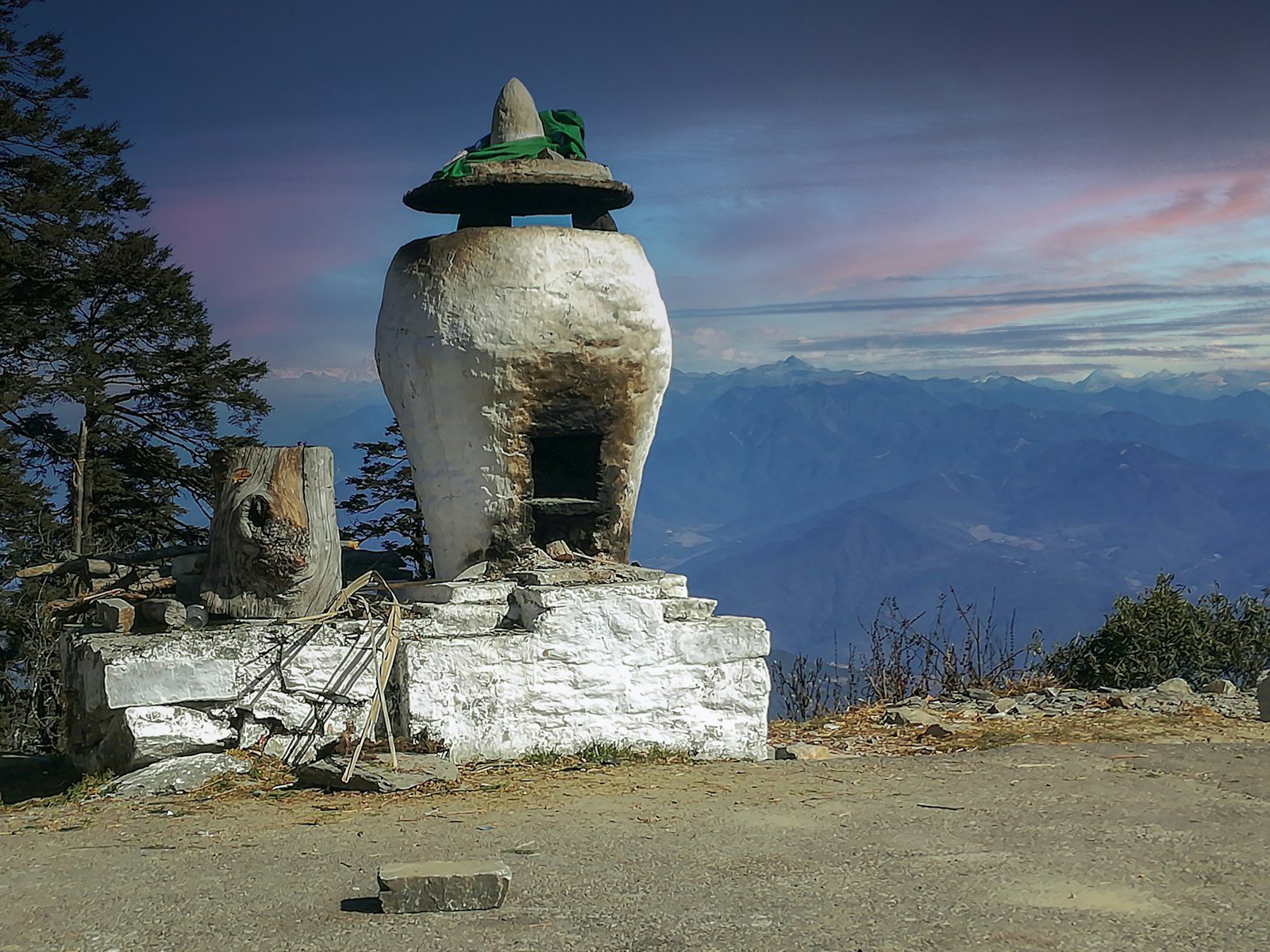
Bhutan's four seasons at a glance
| Season | Months | Weather | Crowds | What it is best for |
|---|---|---|---|---|
| Autumn | late Sep – Nov | Dry, clear, mild days, cold nights | Highest | Festivals, trekking, mountain views |
| Winter | Dec – Feb | Dry, sunny, cold; snow on the passes | Lowest | Clarity, quiet, black-necked cranes |
| Spring | Mar – May | Warming, some haze, occasional rain | High | Rhododendrons, Paro Tshechu, comfortable hiking |
| Monsoon | Jun – Aug | Warm, wet, cloud, lush | Very low | Green valleys, value, solitude |
Bhutan month by month
January and February
Cold, dry and bright. Expect daytime highs around 9–13°C in Paro and Thimphu and nights below freezing, with occasional snow closing Dochula and Chele La for a few hours at a time. Punakha, being 1,000 m lower, is pleasantly mild by day and makes winter itineraries work.
This is when the air is at its clearest and the high Himalaya is visible in a way it simply is not in spring. It is also the quietest season, so dzongs and monasteries feel like working religious buildings rather than sights. If your priority is photographs of mountains or being somewhere without other visitors, this is the answer, and hotel rates are at their lowest.
The trade-off is real: some high trekking routes are impassable, and you need proper layers rather than a fleece.
March and April
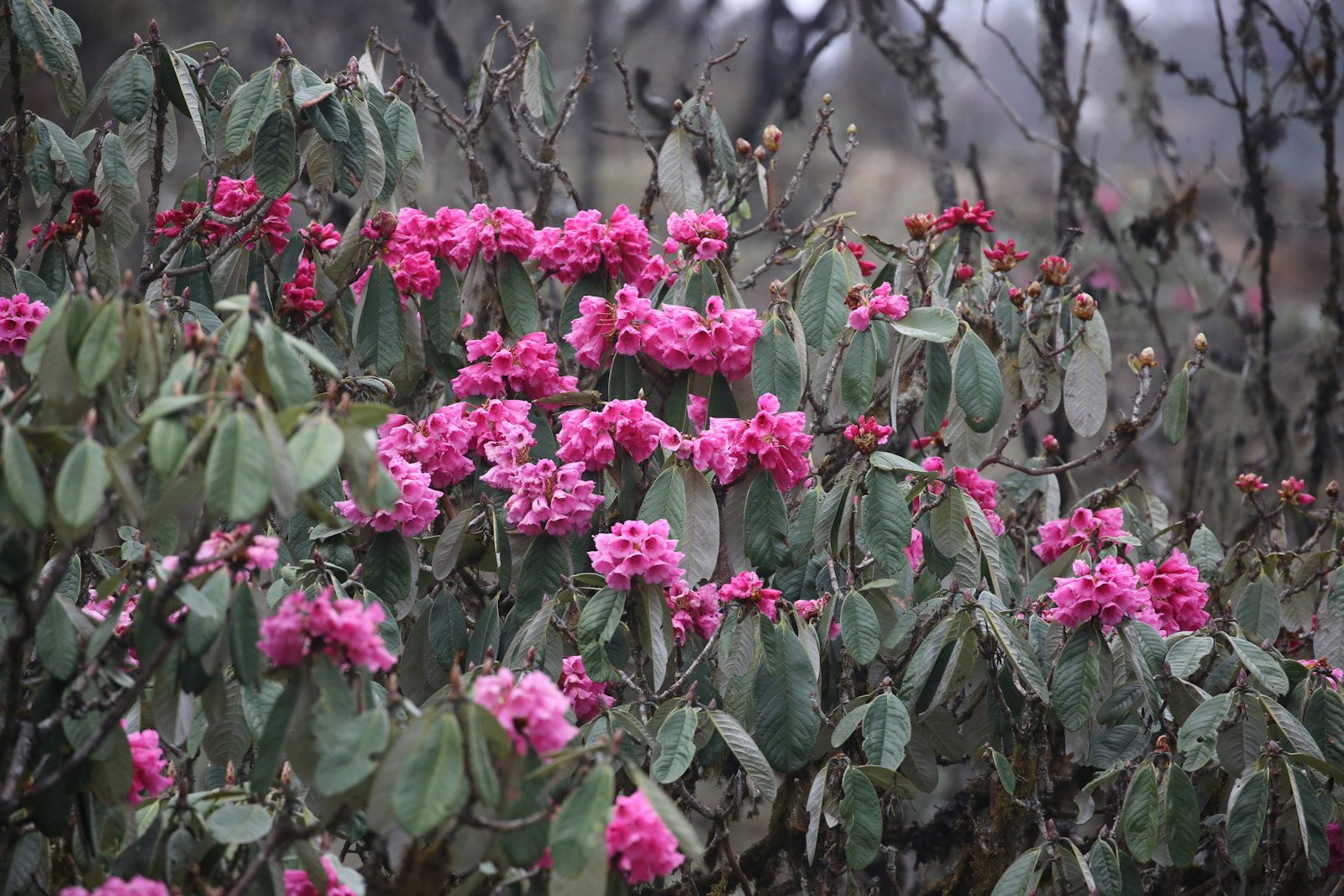
The season turns. Rhododendrons and magnolias come out through March and April, wildflowers follow, and daytime temperatures climb into the high teens and low twenties. This is arguably the most beautiful time in the valleys and the most comfortable for walking uphill.
Paro Tshechu normally falls in March or April, and it is the festival most visitors from Thailand plan around. It fills Paro's hotels months ahead. If you want it, book flights before you finalise anything else.
The one caveat that surprises people: spring is hazier than autumn. Pre-monsoon moisture and dust soften the long mountain views, so a March trip that is glorious at valley level may not deliver the sharp Himalayan panorama you saw in a photograph taken in November.
May
A transitional month and an underrated one. Warm, green, still mostly dry early on, with rhododendrons continuing at higher elevations and noticeably fewer visitors than April. Afternoon cloud builds towards the end of the month as the monsoon approaches.
If you want spring conditions without spring prices or spring crowds, mid to late May is the sweet spot.
June, July and August
The monsoon. Rain is heavy but usually concentrated in afternoons and nights rather than falling all day, and the valleys are spectacularly green. Temperatures are the year's warmest, roughly 20–25°C by day in Paro, and humid by Bhutanese standards.
This is the cheapest and emptiest time to visit, and there is a real case for it if you are drawn to landscape over panorama. What you accept in exchange is significant: cloud over the mountains, leeches and mud on forest trails, occasional landslides closing roads, and the highest likelihood of a Paro flight delay, since Paro is a visual-approach airport ringed by ridges. Anyone travelling in these months should plan a buffer night before an onward international connection — what actually happens when Paro weather delays your flight sets out the mechanics.
September, October and November
The classic season, and it earns its reputation. The monsoon withdraws through September, leaving washed air and green valleys; October and November bring reliably dry days, highs around 15–20°C in Paro, cold clear nights, and the sharpest mountain views of the year.
The major autumn festivals fall in this window, including Thimphu Tshechu, usually in September or October. On 11 November each year the black-necked crane festival at Gangtey in the Phobjikha valley marks the birds' return from Tibet — covered in the guide to the black-necked crane festival.
The costs of the best season are crowding and availability. October is when Bangkok–Paro seats and Paro hotels genuinely run out, and it is the month where booking late costs you the trip rather than the price.
December
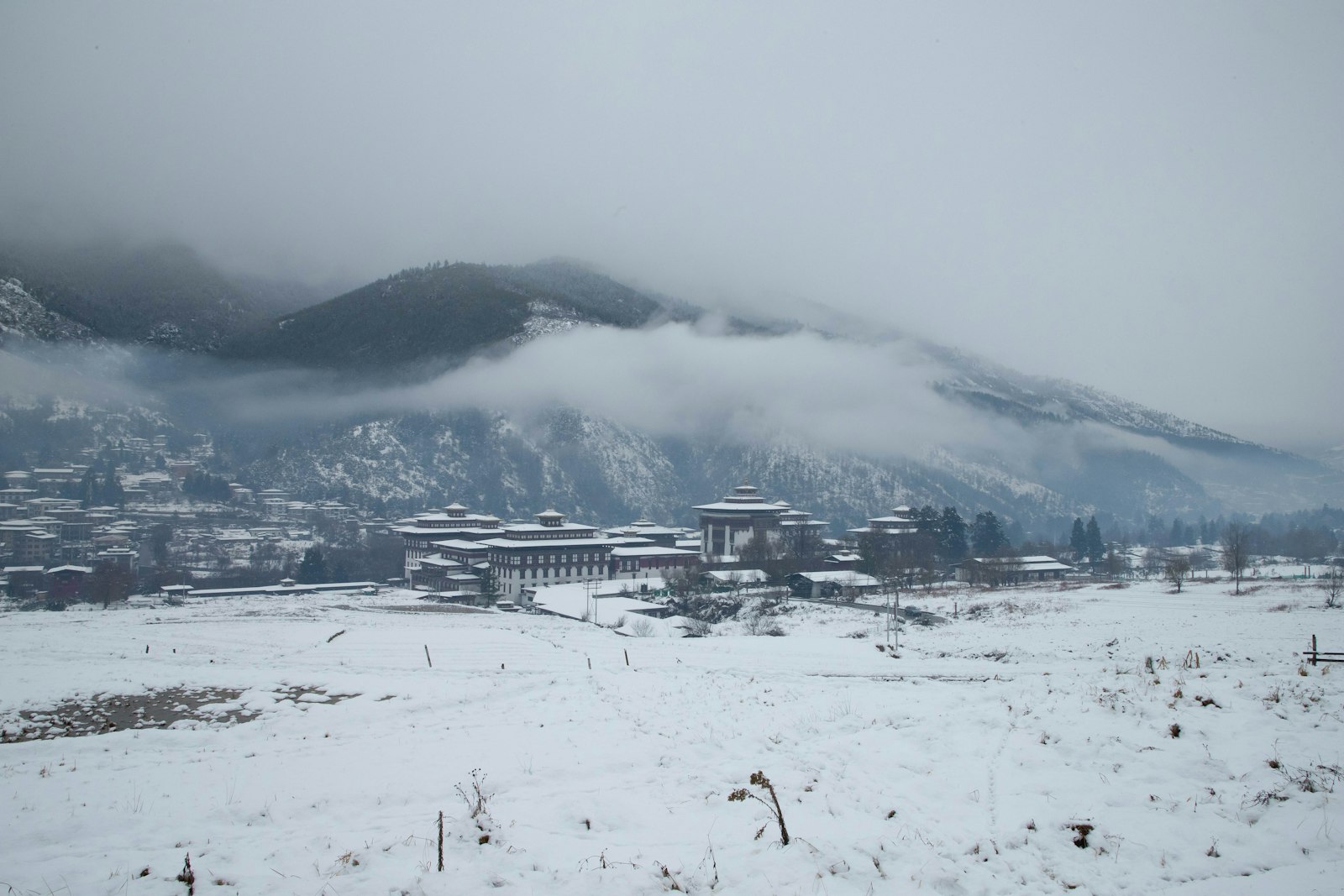
An excellent month that gets overlooked because it sounds cold. Early December often holds autumn's clarity with a fraction of the visitors, and the cranes are settled in Phobjikha. Days are crisp and bright, nights are properly cold, and the passes may carry snow.
For a first trip that avoids both crowds and monsoon, early December is the most underrated choice on this list.
When are the big festivals?
Bhutanese festival dates follow the lunar calendar, so they move every year and cannot be predicted from last year's dates.
| Festival | Where | Typical window |
|---|---|---|
| Punakha Drubchen and Tshechu | Punakha Dzong | Feb – Mar |
| Paro Tshechu | Rinpung Dzong, Paro | Mar – Apr |
| Thimphu Tshechu | Tashichho Dzong, Thimphu | Sep – Oct |
| Jakar and Bumthang festivals | Bumthang | Oct – Nov |
| Black-necked crane festival | Gangtey, Phobjikha | 11 Nov each year |
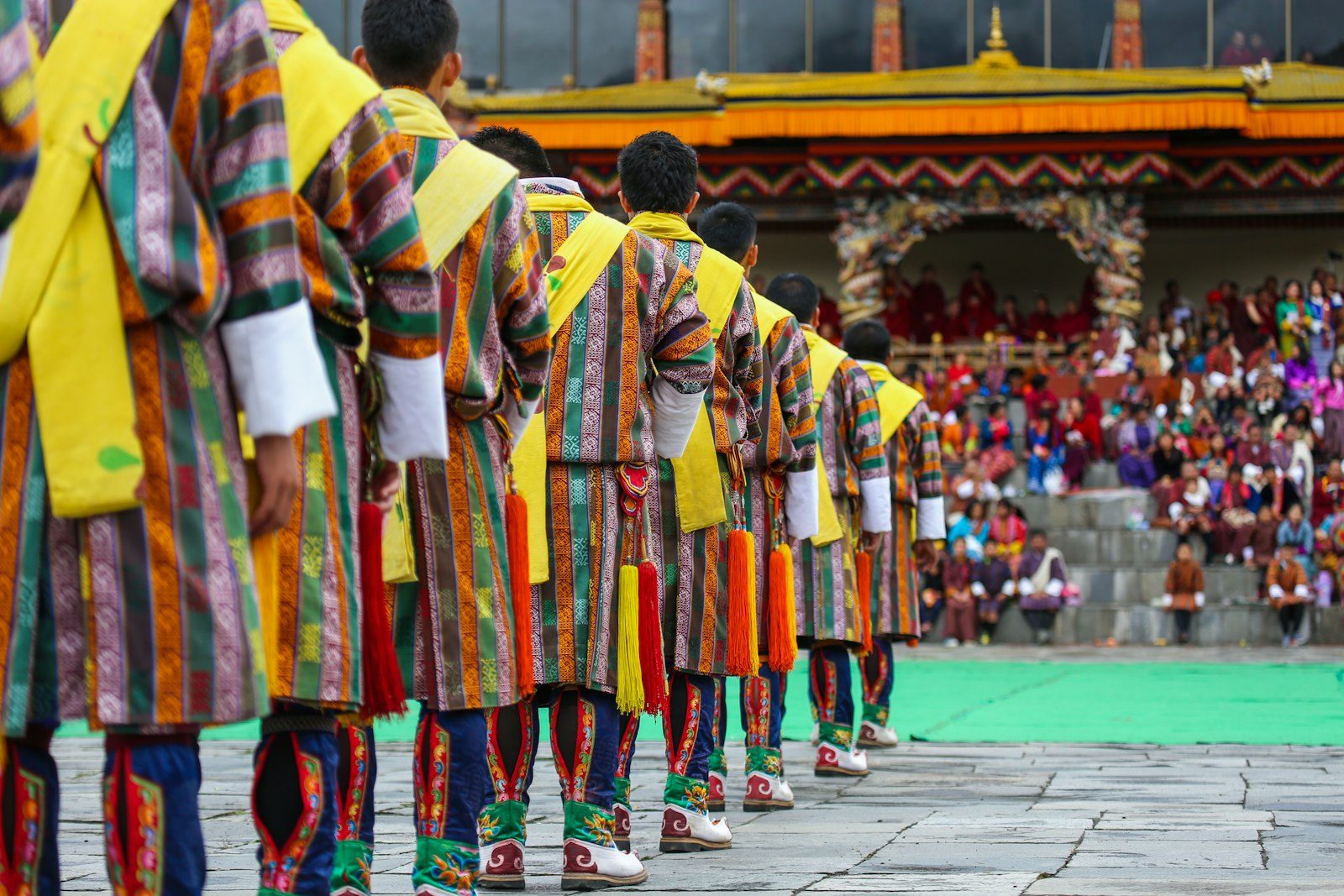
Treat that table as a planning guide, not a calendar. Always confirm the specific year's dates before booking flights, because a festival that shifts by ten days can move it out of your trip entirely. We confirm the dates for your travel window in writing.
Two practical notes. Festivals are religious events that happen to be watchable, not performances staged for visitors, so the schedule within a day is approximate and the best masked dances are not always in the afternoon. And a festival weekend strains everything at once: hotels, guides, vehicles and the cash machines. How money works in Bhutan covers why you should not rely on an ATM in Paro during Tshechu.
When are Bhutan's festivals in 2027?
The Department of Tourism has published tentative dates for 2027. They follow the lunar calendar and can still move, so use them to hold seats rather than to buy a non-refundable fare.
| Month | Festival | Where | 2027 dates (tentative, lunar calendar) |
|---|---|---|---|
| February | Punakha Drubchen and Punakha Tshechu | Punakha Dzong | 13–15 and 16–18 Feb |
| March | Paro Tshechu | Rinpung Dzong, Paro | 18–22 Mar (Thongdrel 22 Mar) |
| April | Ura Yakchoe | Bumthang | 18–22 Apr |
| October | Thimphu Tshechu | Tashichho Dzong, Thimphu | 10–12 Oct |
| October | Gangtey Tshechu | Phobjikha | 13–15 Oct |
| November | Jakar Tshechu | Bumthang | 6–9 Nov |
| November | Black-necked crane festival | Gangtey Gonpa, Phobjikha | 11 Nov |
| November | Jambay Lhakhang Drup | Bumthang | 14–17 Nov |
The 2027 calendar has a price line running through it. The SDF is USD 100 per person per night only until 31 August 2027, and as of October 2026 Bhutan has not decided the rate from 1 September 2027. Paro Tshechu and the spring festivals fall inside the confirmed USD 100 period; Thimphu Tshechu, the crane festival and the rest of the autumn season fall after it. How the Sustainable Development Fee works covers the fee itself, and once the new rate is announced we will state the one that applies to your dates in the written quote.
What is the weather like in each valley?
"Bhutan's weather" is not one thing, because the places you will visit differ by more than a kilometre of altitude. On a single day in November you can be in frost at Dochula and shirtsleeves in Punakha two hours later.
| Place | Altitude | Winter days | Summer days | Notes |
|---|---|---|---|---|
| Paro | 2,235 m | 9–13°C | 20–25°C | Nights below freezing Dec–Feb |
| Thimphu | about 2,320 m | 9–13°C | 20–25°C | Similar to Paro, slightly drier feel |
| Punakha | about 1,200 m | 17–20°C | 25–30°C | Warm year-round; makes winter trips comfortable |
| Phobjikha | about 3,000 m | 2–8°C | 15–20°C | Coldest of the four; where the cranes winter |
| Dochula pass | about 3,100 m | around freezing | 10–15°C | Snow possible Dec–Feb; clears within hours |
The practical consequence is that a winter itinerary is not a cold itinerary if it is built properly. Sleeping at Punakha rather than at altitude turns January from an endurance exercise into a comfortable trip with exceptional views — and it helps with acclimatisation too, which matters before the Tiger's Nest climb.
When can you actually see the Himalaya?
This is the question behind most "best time" searches, and the seasonal answer differs from the general one.
The high peaks are reliably visible from late October through February, with November to January the strongest window. The air is dry, there is little haze, and the horizon holds all day rather than clouding over by mid-morning.
Spring gives you flowers at valley level and a softer, hazier horizon. The monsoon gives you dramatic cloud and, quite often, no mountains at all for days together.
If long-range views are your priority, the two viewpoints worth planning around are Dochula pass on the Thimphu–Punakha road, which on a clear winter morning gives a panorama across the eastern Himalaya, and Chele La above Paro, the highest road pass in the country. Both are morning propositions: cloud builds through the day in every season.
Is the monsoon really a bad time to visit?
Less than its reputation suggests, and it depends entirely on one question: how fixed is your departure date?
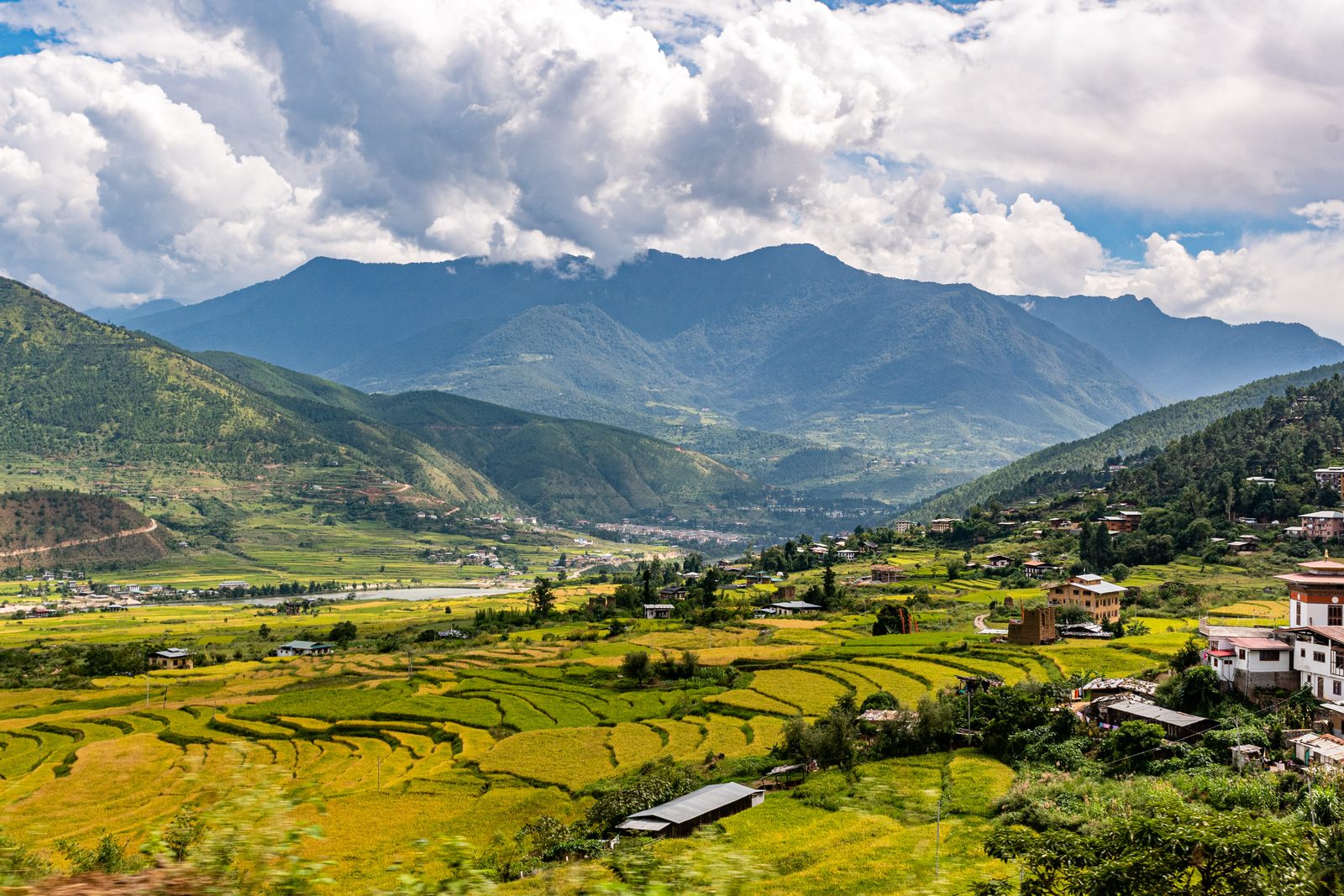
What is genuinely good about June to August: the valleys are at their most beautiful, the rice terraces are flooded and brilliant green, waterfalls run, hotel rates are at their lowest, and you will have major sites close to yourself. Rain tends to fall in the afternoon and overnight rather than all day, so mornings are often usable.
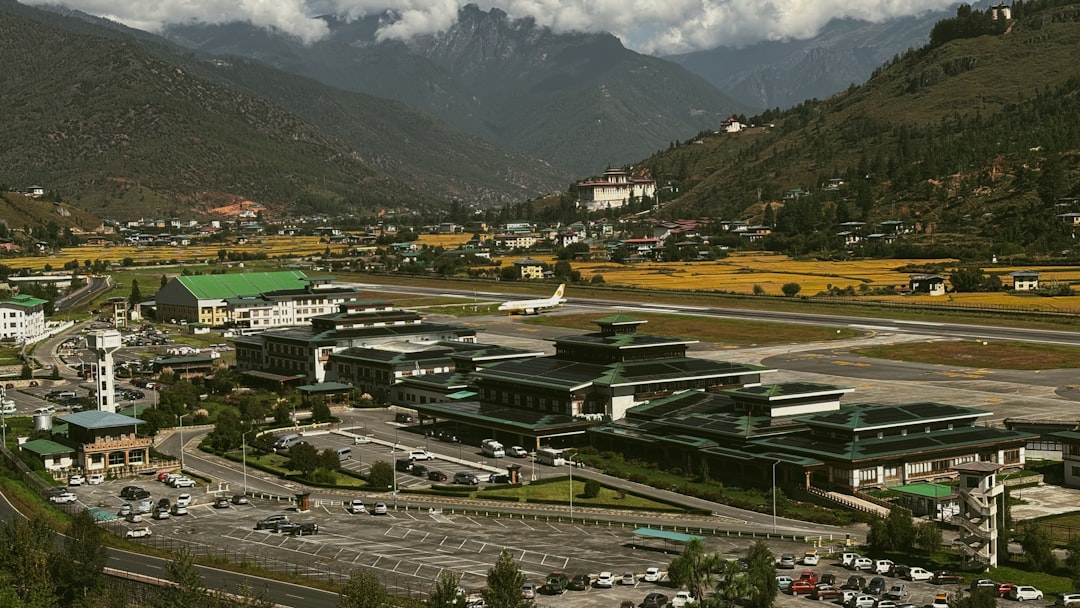
What is genuinely bad: the mountains are hidden more often than not, forest trails are muddy and carry leeches, roads occasionally close for landslides, and the Paro sector has its highest rate of weather disruption. Paro has no instrument approach — pilots need to see the valley — so cloud does not merely delay flights, it stops them.
So the monsoon is a good choice for a flexible traveller who wants green landscape and solitude at a lower price, and a poor choice for anyone with a fixed onward connection or a single chance at the mountain view. If you go, build in a buffer night at the Bangkok end and treat the itinerary as approximate.
How many days do you need?
Four to six nights for a first visit, and the season does not change that much.
Four nights covers Paro, Thimphu and Punakha at a reasonable pace with Taktsang on a properly acclimatised day. Six nights adds Phobjikha, which is what makes a late-November trip worth extending for the cranes. Fewer than four and the flight cost dominates the trip; more than about eight and you are into eastern Bhutan and a different kind of journey.
Because the SDF is charged per night with no discount for length, the arithmetic is linear — see how much a Bhutan trip really costs from Thailand for what each additional night adds.
What is the best month for what you actually want?
- Clearest mountain views: late November, December, January.
- Flowers and greenery: April and May.
- The big masked festivals: March to April, September to October.
- Trekking: October and November first, April and May second.
- Fewest other visitors: January, February, and the monsoon months.
- Lowest cost: June to August, then January and February.
- Black-necked cranes: late November through February, at Gangtey.
- A first trip with the least that can go wrong: October, or early December.
Which month should you avoid?
None outright, but two deserve caution for specific reasons.
August, if your trip has a fixed end. It is the wettest month and carries the highest chance of a weather delay on the Paro sector. Beautiful, cheap, and the worst month to have a non-refundable long-haul flight out of Bangkok two hours after you land.
October, if you are booking late. The weather is superb and the availability is not. By the time most people start planning an October trip, the seats have gone. On the timing question, when to book Bangkok–Paro flights is specific about how far ahead each season needs.
How does the season affect flights and delays?
This is the part of seasonal planning that guides written from outside the airline tend to miss.
Paro is flown on a visual approach between ridges, with no instrument procedure to fall back on, and the approach is only made in daylight. That produces a clear seasonal pattern: October to February is the most reliable window, spring is generally good with some morning cloud, and June to August carries the highest chance of a delay, a diversion to Kolkata, or a cancellation.
Two operational consequences worth planning around. Schedules cluster in the morning because afternoon cloud build-up is normal, so an early Paro departure is not an inconvenience, it is the reason the flight works. And in the monsoon the same weather that delays your arrival can delay your departure, which is why a buffer night before an onward international flight is the single most useful thing a monsoon traveller can do.
Availability follows the opposite curve to the weather. September to November is when seats genuinely run out, and Paro Tshechu in spring does the same to hotels. So the reliable months are also the competitive ones, and the quiet months are the risky ones — there is no month that is both easy to book and immune to weather. When to book Bangkok–Paro flights puts numbers on how far ahead each season needs.
Does the season change what a trip costs?
Yes, but less than in most destinations, and not in the part people expect.
The SDF does not change with the season: it is USD 100 per person per night in every month, a rate confirmed until 31 August 2027, and there is no seasonal government pricing, as our full guide to the Sustainable Development Fee explains. What moves is accommodation, which can be materially cheaper in the monsoon and in deep winter, and availability, which is what really costs you in October.
So the seasonal saving is real but bounded. The full arithmetic is in how much a Bhutan trip really costs from Thailand.
What to pack for the season you choose
Bhutan's daily temperature range is wider than its seasonal one. A November day can run from below freezing at dawn to 18°C at noon, so layers matter more than a heavy coat in every month except deep winter, when both do.
Temples require covered shoulders and knees year-round regardless of weather, and the Taktsang climb wants broken-in shoes in any season. The Bhutan packing list breaks it down season by season.
Plan around your season
Once you have a month, the constraint becomes seats rather than weather. Send your dates through Book & Hold and we will hold flights and return one written quote covering flights, SDF and visa, with the festival dates for your window confirmed.
Fares are quoted in Thai baht, per person, inclusive of taxes and surcharges at the time of publishing, and start from the figure shown. Fares, seats and availability are confirmed in writing by OMG Experience, the appointed General Sales Agent for Bhutan Airlines in Thailand, before ticketing.