Thai baht will not buy anything in Bhutan. The currency is the ngultrum (BTN), pegged one to one with the Indian rupee, and it is not traded outside the country in any useful way. So you arrive with US dollars, or you use an ATM in Thimphu or Paro, and you carry more cash than you would in Bangkok.
The good news is how little you actually need. On a standard package the flights, hotels, meals, guide, vehicle, entry fees, SDF and visa are already paid before you land. Cash is for tips, drinks, crafts and the things you choose.
What currency should you bring from Thailand?
US dollars, in clean notes. They are the accepted exchange currency at hotels, banks and the airport counter, and they are what the SDF and visa fee are denominated in.
Thai baht notes are effectively a souvenir. Hotels will not take them, exchange desks generally will not either, and where someone does agree the rate will be poor enough to regret. Indian rupees are widely understood because of the peg, and rupee notes are usable in practice, though INR 2,000 notes are often refused.
Bring a mix of denominations. Small dollar notes are useful for tips; a few larger notes are easier to change at a hotel desk. Damaged or heavily marked dollar bills are sometimes refused, which surprises people.
Where do you change money?
Three places, in order of convenience rather than rate.
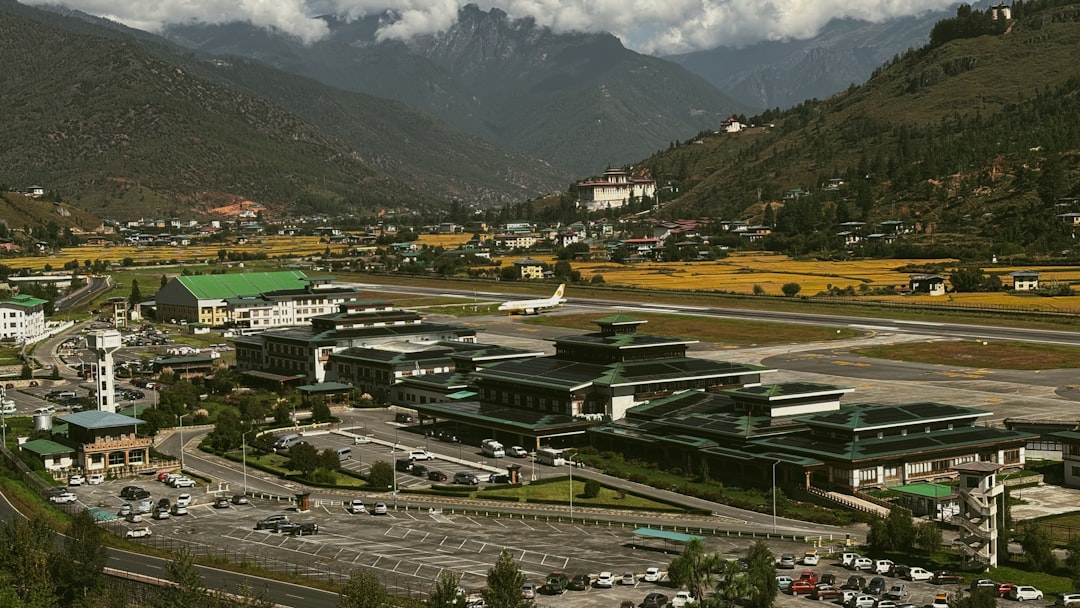
Paro airport has an exchange counter in the arrivals hall. Rates are fair and it is open for arriving flights, so changing USD 100 or so here to cover the first day is sensible.
Hotels will change dollars for guests. The rate is slightly worse than a bank and the convenience is real, particularly in the evening.
Banks in Thimphu and Paro give the best rate and keep ordinary business hours, closed on Sundays and public holidays. Your guide will know which branch is quickest.
Keep the exchange receipts. If you want to convert leftover ngultrum back at the end, a receipt is sometimes what makes it possible.
Do ATMs work in Bhutan?
Yes, in the towns, and with two caveats worth planning around.
ATMs accepting Visa and Mastercard are common in Thimphu and present in Paro, with a few in Punakha and Phuentsholing. Withdrawal limits are modest — often around Nu. 10,000 to 15,000 per transaction — and your Thai bank's foreign-withdrawal fee applies on top.
The two caveats. Machines run dry on festival weekends and around Bhutanese paydays, and there is no second machine around the corner in a small town. And coverage stops when you leave the western valleys, so an eastern extension needs cash drawn in advance.
Tell your bank you are travelling. A Bhutan withdrawal is exactly the kind of transaction fraud systems block, and resolving it from a valley with patchy signal is not how you want to spend an evening.
Do credit cards work?
In larger hotels, yes. Beyond that, assume not.
Four and five-star hotels in Thimphu and Paro take Visa and Mastercard, as do a handful of the bigger craft shops and restaurants in the capital. American Express is rarely accepted. Card terminals depend on a connection that is not always there, and a machine that worked yesterday can be offline today.
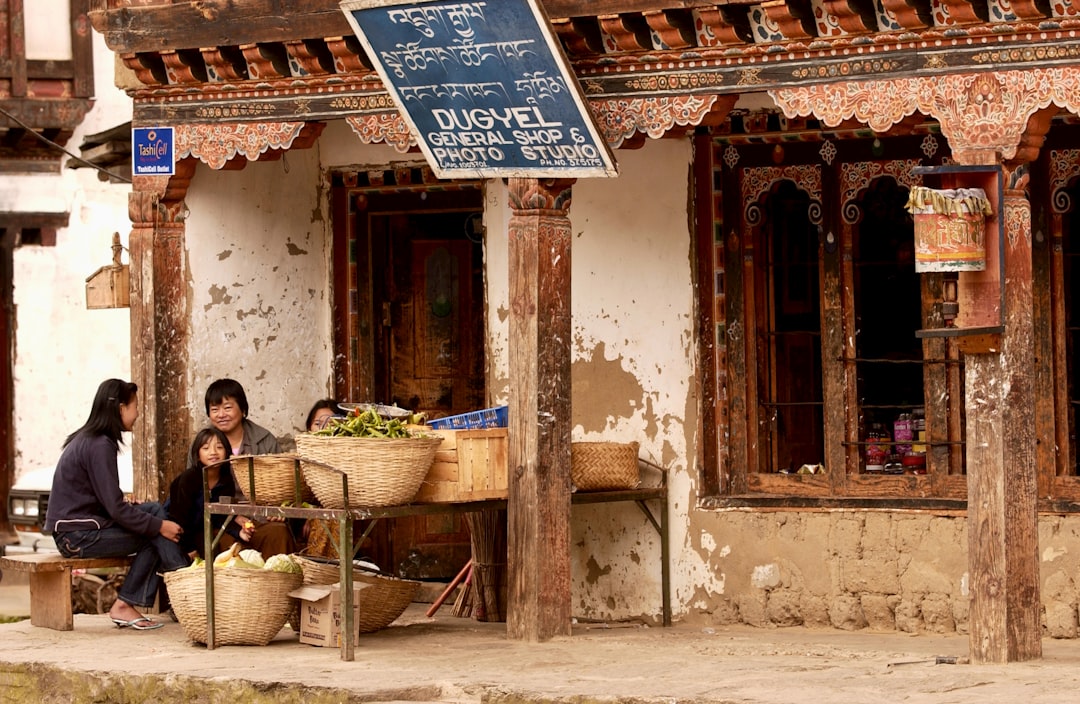
Village lunches, market vegetables, roadside tea, pony hire at Taktsang, monastery donations, tips and most weaving stalls are cash only. Contactless is not a habit here, and mobile payment apps are widely used by Bhutanese but tied to local bank accounts you cannot open as a visitor.
How much cash do you actually need?
For most travellers on a package, USD 20 to 30 per person per day is comfortable, and a good deal of that goes on tips and one or two purchases rather than daily costs.
A rough guide to what cash is for:
- Tips. Not obligatory and genuinely appreciated. A common approach on a five-day trip is around USD 10 to 15 per day for the guide and USD 5 to 10 for the driver, from the party rather than per person, given at the end in an envelope.
- Drinks. A local beer is a few hundred ngultrum in a hotel, less in town.
- Pony hire at Taktsang, if you want it, is a fixed local rate paid on the day.
- Crafts and textiles. The honest buys, and the good weaving is expensive because it took months.
- Monastery donations and butter lamps, which are small and worth having change for.
- Laundry, a SIM card, camera fees at a few sites.
What you do not need cash for is anything on the written quote. If a supplier asks you to pay for something you believe is included, say so and call us rather than paying twice.
What do things actually cost?
Useful for calibration, because Bhutan is neither as cheap as its neighbours nor as expensive as the SDF makes it sound.
- A local beer in a hotel: a few hundred ngultrum. In a town bar, less.
- A coffee in Thimphu: broadly Bangkok café prices, sometimes above.
- Lunch in a town restaurant if you are paying for it yourself: modest, well under a thousand ngultrum for two.
- A tourist SIM package: a few hundred ngultrum.
- A good handwoven belt or scarf: several thousand ngultrum and worth it. A full kira runs into tens of thousands, because it took months on a loom.
- Handmade paper, incense, a small prayer wheel: the affordable end of the craft shops.
- Bhutanese whisky at the airport: cheap enough to be the standard last purchase.
Imported goods carry a visible premium — anything shipped over the Indian border and up the mountains does. Sunscreen, batteries and outdoor gear all cost noticeably more than in Bangkok, which is a reason to bring rather than buy.
What about tipping, in more detail?
Tipping is not a Bhutanese tradition and it has become normal in tourism, which puts visitors in an awkward guessing position. The practical answer: budget for it, give it at the end, and give it in cash.
Guides and drivers are the two people who materially shape your trip, and on a five-day circuit they are with you all day. Hotel staff and the farmhouse family are a smaller, optional gesture. Nobody will be visibly disappointed, which is precisely why some travellers under-tip without meaning to.
How do you pay us, and in what currency?
As the appointed General Sales Agent for Bhutan Airlines in Thailand, we quote and collect in Thai baht. A published economy return from Bangkok to Paro starts at THB 31,869 including taxes and surcharges at the time of publishing.
The government charges are set in dollars — USD 100 per adult per night of SDF and a one-off USD 40 visa fee — and appear on the same written quote converted for you. You never pay the airline or the government in ngultrum yourself, and you should not be asked to hand cash to anyone on arrival for either. The full trip cost broken down in baht sets out every line, and what the SDF pays for explains the largest one.
What do you do with leftover ngultrum?
Spend it. Bhutanese banks frequently will not buy ngultrum back, and even where they will, the airport counter may not have the dollars to hand on a busy morning.
The practical move is to spend down on the last afternoon in Paro — a final textile, incense, a bottle of Bhutanese whisky at the airport, or tips — and keep only a note or two as a souvenir. Ngultrum is not convertible in Bangkok, so a stack of it becomes a keepsake whether you meant it to or not.
Anything else worth knowing?
Watch an ATM the way you would anywhere, keep cash in two places rather than one, and photograph your cards front and back before you fly. Petty crime is genuinely rare — see is Bhutan safe — but a lost wallet in a valley with one bank branch is a slow problem to fix.
Connectivity is a separate question with its own answers, in our guide to SIMs and eSIMs in Bhutan. If you are relying on a banking app for anything, download it and set up the token before you leave Thailand.
Get one written quote in baht
Send your dates through Book & Hold. We hold your seats and return one written quote in Thai baht covering flights, SDF and visa, so the only money you need to think about in Bhutan is spending money.
Fares are quoted in Thai baht, per person, inclusive of taxes and surcharges at the time of publishing, and start from the figure shown. Fares, seats and availability are confirmed in writing by OMG Experience, the appointed General Sales Agent for Bhutan Airlines in Thailand, before ticketing.