Paro sits at 2,235 m, and you arrive there from sea level in three and a half hours. That is a fast gain, so most visitors from Bangkok feel something in the first day or two: short breath on stairs, a poor first night's sleep, perhaps a dull headache. That is normal and it passes.
What matters is the difference between normal and not normal, and the shape of the itinerary. Nobody needs to be an athlete to enjoy Bhutan. What they need is to sleep two nights at valley height before climbing anything, and to know which symptoms mean stop.
What heights will you actually reach?
A standard western-Bhutan itinerary is less extreme than the word Himalaya suggests. You sleep low and visit high.
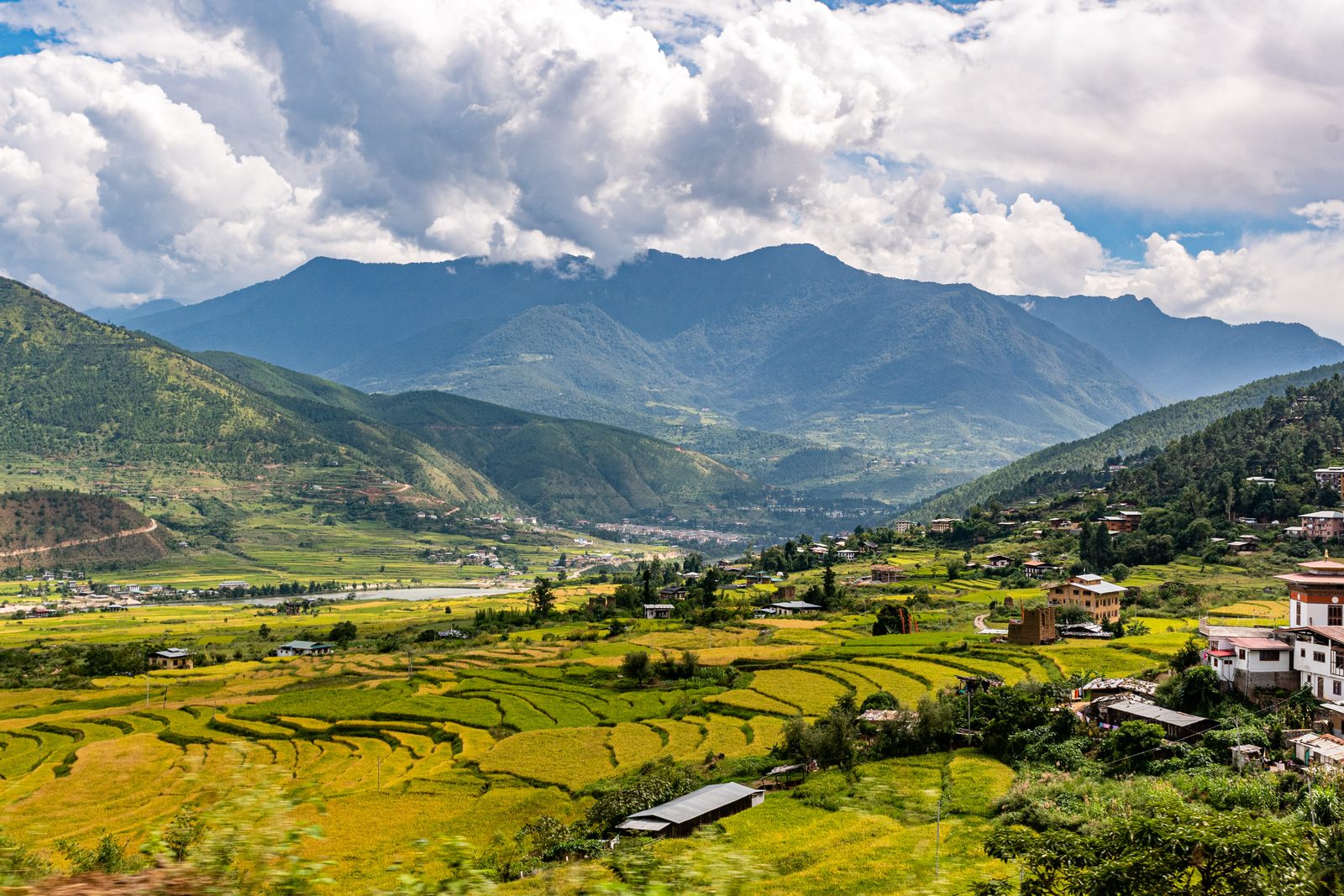
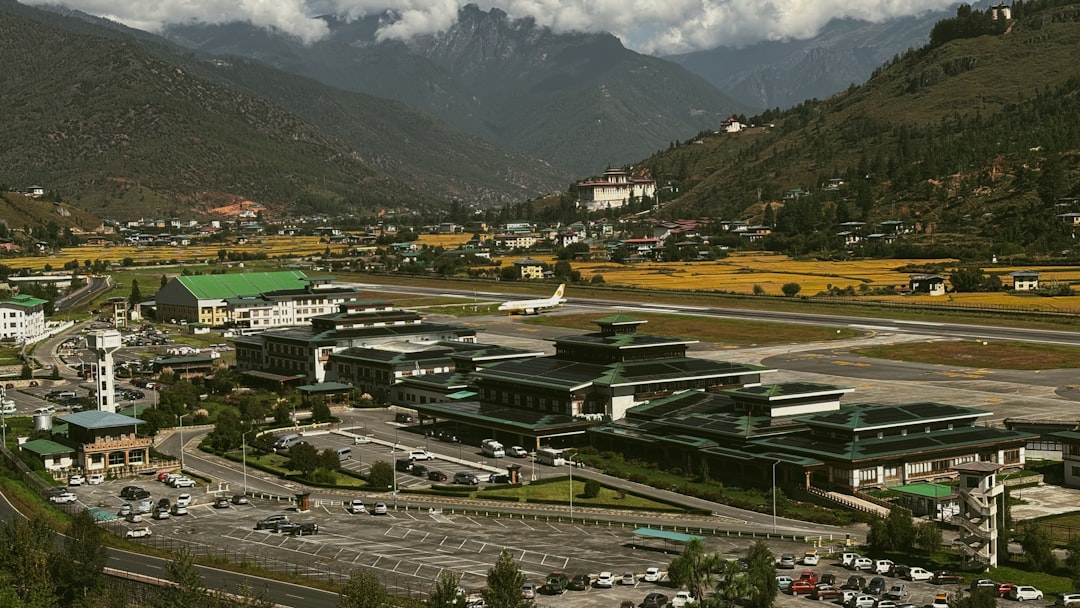
- Paro: about 2,235 m. Your first two nights.
- Thimphu: about 2,320 m. Barely higher, so effectively a second acclimatisation night.
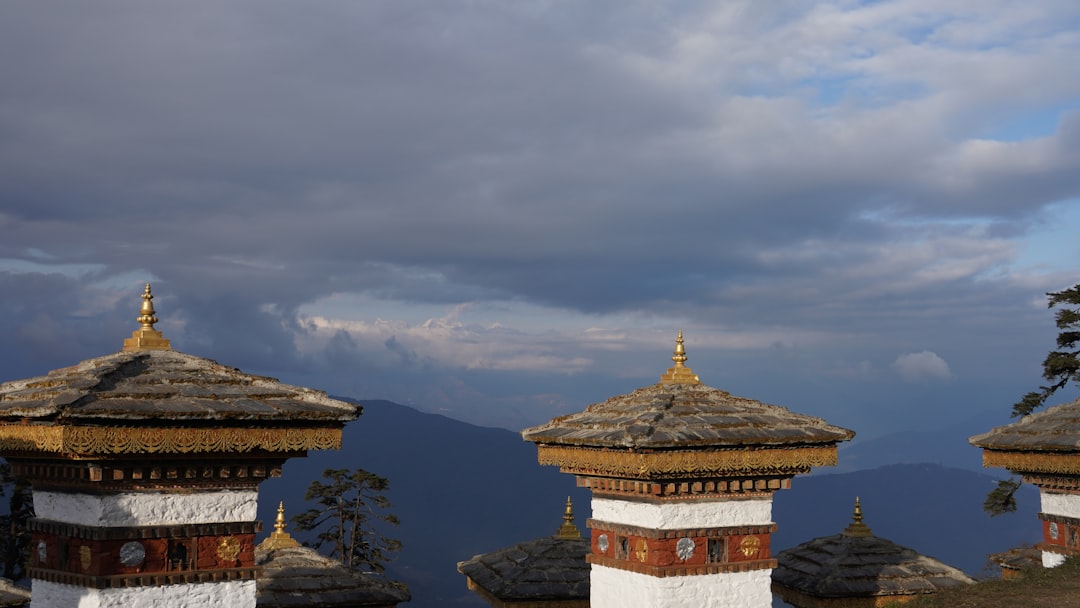
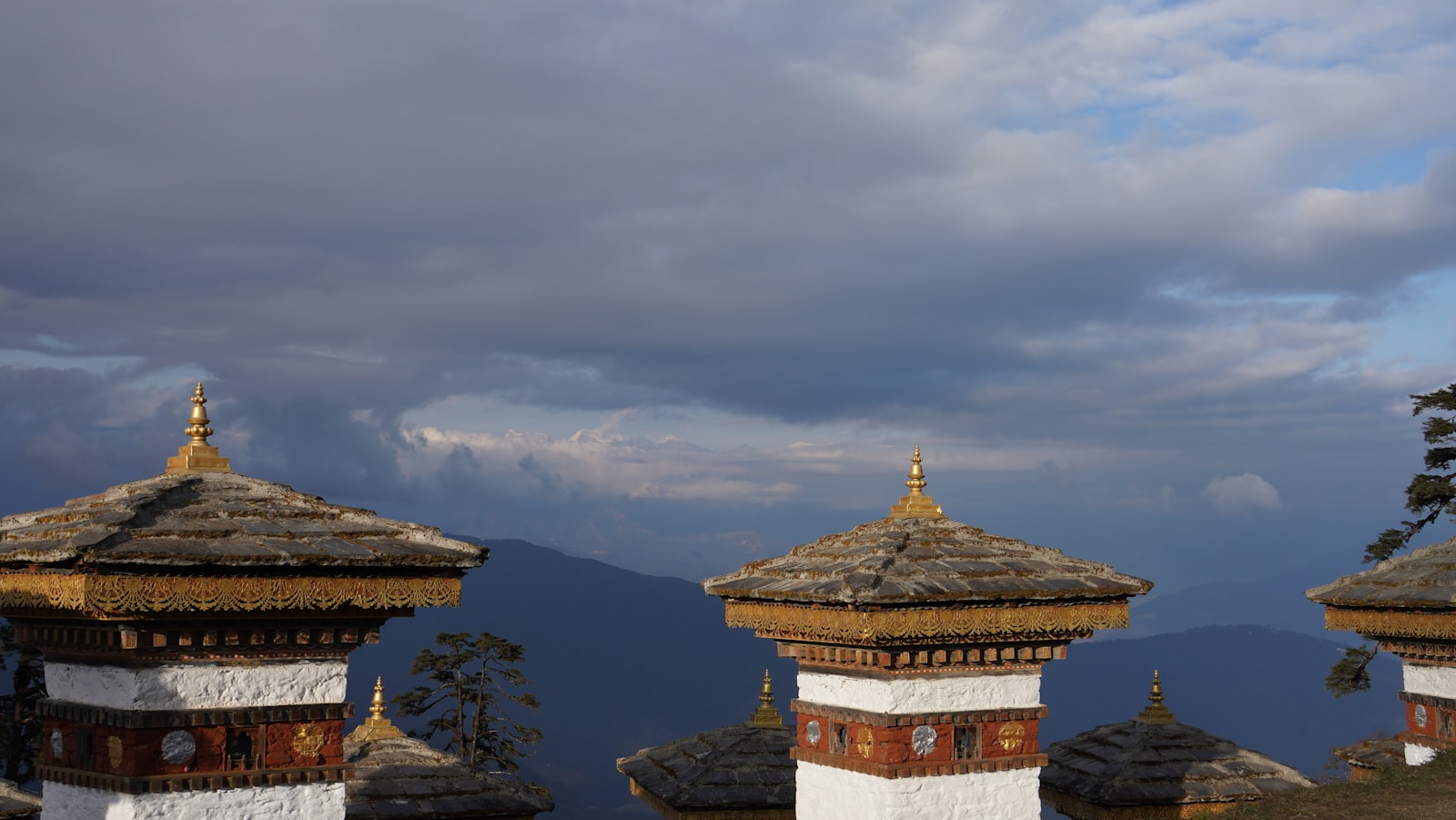
- Dochula pass: about 3,100 m. A stop of twenty minutes on the drive to Punakha, not a place you sleep.
- Punakha: about 1,200 m. Genuinely low, warm, and the best sleep of the trip.
- Tiger's Nest monastery: about 3,120 m, roughly 900 m above the Paro valley floor. You climb to it and come back down the same day.
- Chele La, if you add it: about 3,988 m, again a stop rather than a night.
The highest place you sleep on a five-day circuit is around 2,320 m. That is well below the altitudes where serious mountain sickness is common, which is why the risk here is discomfort rather than danger for the great majority of people.

Will you get altitude sickness?
Probably not in any form that spoils a day, but the honest answer is that it does not correlate with fitness, age or previous trips. Marathon runners get headaches at 2,300 m and sedentary grandparents do not.
Two things do predict it. Rate of ascent — and a flight from Bangkok is the fastest ascent there is. And what you do in the first 24 hours, which is the only part you control.
The commonest pattern we see is not illness at all. It is someone who lands at 11:00, drives straight up to a viewpoint at 3,000 m, has a large lunch and two beers, sleeps badly, and starts up Taktsang at 07:00 feeling terrible — and concludes that Bhutan gave them altitude sickness. The itinerary gave them altitude sickness.
What does mild altitude feel like, and what is not mild?
Normal and expected: breathlessness climbing stairs or a slope, a heart rate that sits higher than usual, waking several times the first night, mild headache, reduced appetite, needing the bathroom more often, feeling unusually irritable or emotional. These arrive within a few hours to a day and fade as you adjust.
Not normal, and worth acting on: a headache that does not lift after water and paracetamol; nausea or vomiting; dizziness or unsteadiness; breathlessness while sitting still; a persistent dry cough; confusion in anyone in the party, including the person insisting they are fine.
The rule to travel with is simple: tell your guide early rather than late. Bhutanese guides deal with this every season, they know where the clinics are, and the fix for mild symptoms is almost always rest and descent — and you are usually one short drive from somewhere considerably lower.
How do you acclimatise on a short trip?
You cannot spend a week easing up to it, so the work is done by sequencing and behaviour.
Keep day one below 2,600 m. The Paro valley sights — the dzong, the museum, Kyichu Lhakhang, the town — are all at valley level, and they make a full and genuinely good day. What day one is not for is a drive up to Chele La or a start on Taktsang.
Drink more water than feels necessary. Dry mountain air takes fluid out of you faster than the temperature suggests, and dehydration and mild altitude produce the same headache.
Eat lightly and go easy on alcohol for the first two nights. Alcohol at altitude hits harder and wrecks the sleep you need. There is a national no-alcohol day on Tuesdays, which some visitors find helpfully decisive.
Walk, do not climb. Gentle movement helps; hard effort in the first 24 hours does not.
Sleep low. This is the one that itineraries get wrong. Height gained during the day is far less important than height slept at.
Does the order of the itinerary matter?
More than almost anything else in the plan. The standard route — two nights Paro, one Thimphu, one Punakha, back to Paro — happens to be well shaped for altitude, and not by accident.
The Punakha night at 1,200 m is a genuine recovery, and it falls immediately before the Taktsang climb rather than after it. By the time you start up the cliff on day four you have had three nights in the country and one of them properly low.
Compare that with the version some itineraries sell: land, drive to Thimphu the same afternoon, Taktsang on day two. It works for most people and it is a worse trip for a meaningful minority. The five-day, four-night circuit sets out the sequence, and the first-timer's guide to Paro covers the arrival-day pace.
Should you take Diamox?
That is a conversation with a doctor in Bangkok before you fly, not a decision to make on a mountain path.
Acetazolamide is a prescription medicine that helps some people acclimatise and has real side effects — tingling in the fingers, a metallic taste, and more trips to the bathroom, which matters on a five-hour hike. For a trip whose highest sleeping altitude is around 2,320 m, most travellers do not need it. People with a history of altitude problems, or with heart or lung conditions, should ask.
What we will not do is hand out medication or opinions dressed as medical advice. Ask a travel clinic, and if you are prescribed anything, carry it in your cabin bag along with simple painkillers and rehydration sachets. The packing list has the rest of the small-items list.
What about the Tiger's Nest climb specifically?
This is where altitude becomes something you feel rather than something you read about. You start around 2,600 m and finish near 3,120 m, with roughly 900 m of ascent and a final stretch of stone steps down into a gorge and back up.
Three things make it easier. Start at first light, when the air is cool and you are not racing afternoon cloud. Walk more slowly than feels natural — the classic error is setting off at a Bangkok pace and stopping every five minutes after twenty. And carry a litre or more of water with something to eat.
The cafeteria at roughly halfway is a legitimate place to stop, with the postcard view of the monastery, and ponies can carry you that far on the way up. Nobody is grading you. The stage-by-stage Tiger's Nest guide has the timings and an honest assessment of the difficulty.
Who should take extra care?
Children acclimatise well as a rule but describe symptoms badly, so watch behaviour rather than waiting to be told. Older travellers are generally fine; age is not a risk factor in itself.
Anyone with a heart or lung condition, uncontrolled high blood pressure, sickle cell disease, or a previous episode of altitude illness should take medical advice specific to them before booking, not after. So should anyone who is pregnant.
Travel insurance is the practical safeguard, and the cover to check for is helicopter evacuation and repatriation. Bhutan has good clinics in Thimphu and limited facilities elsewhere, and the road out of a valley is long. We do not sell insurance and we will not pretend to advise on it, but we will say plainly that it is not optional on this trip.
When to raise your hand
If you or anyone in your party has symptoms that are not on the normal list, say so to your guide the same hour rather than the next morning. Descent is the treatment, it is usually available within an hour or two by road, and a missed monastery is a smaller loss than a bad night at height.
Nothing about this should make Bhutan sound risky. The vast majority of our travellers notice the altitude for a day, sleep it off in Punakha, and climb Taktsang without incident. It is the itinerary that does the work.
Plan a trip that is sequenced properly
Send your dates through Book & Hold. We hold your seats and return one written quote covering flights, SDF and visa, with the itinerary ordered so the Tiger's Nest climb falls on an acclimatised day rather than your first afternoon.
Fares are quoted in Thai baht, per person, inclusive of taxes and surcharges at the time of publishing, and start from the figure shown. Fares, seats and availability are confirmed in writing by OMG Experience, the appointed General Sales Agent for Bhutan Airlines in Thailand, before ticketing.