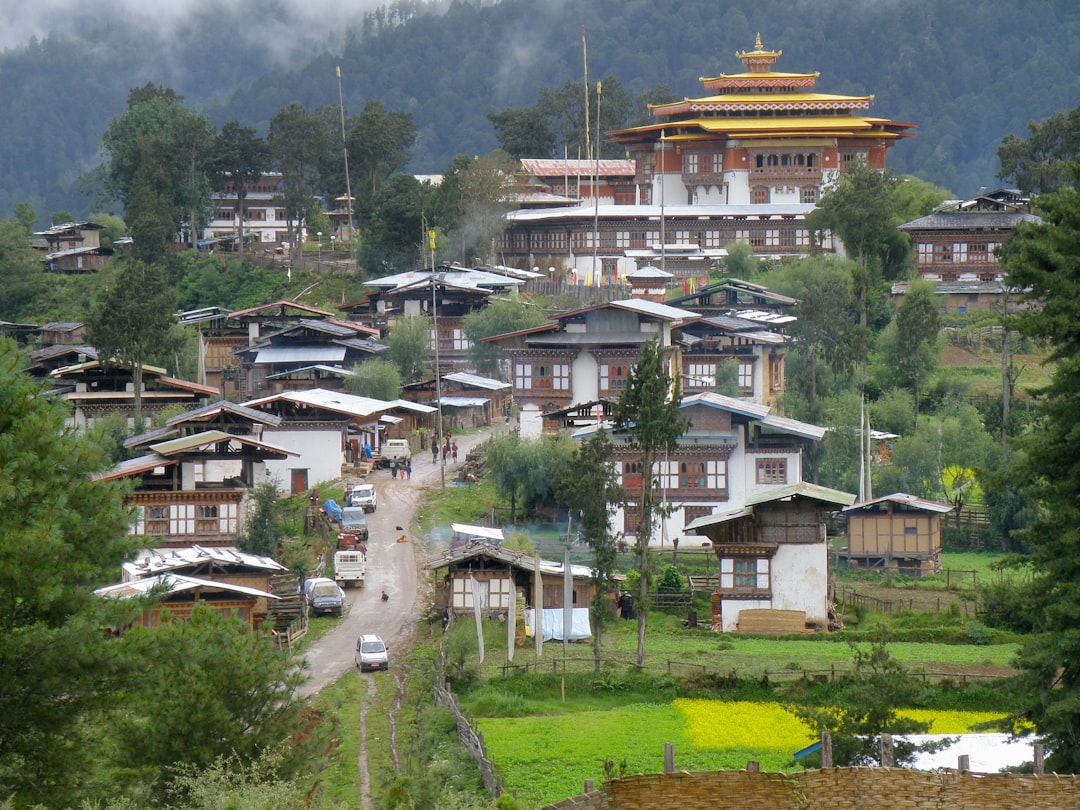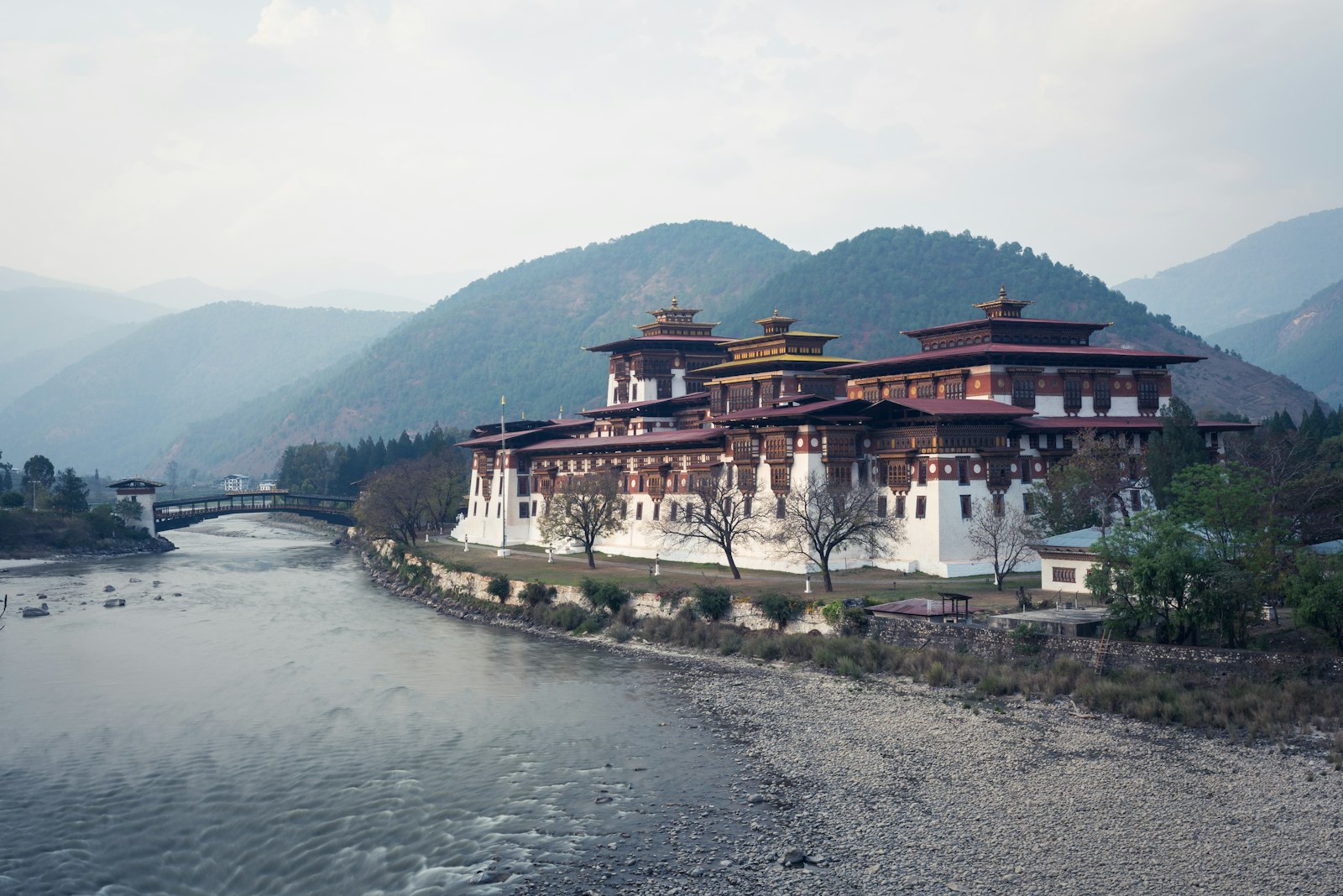
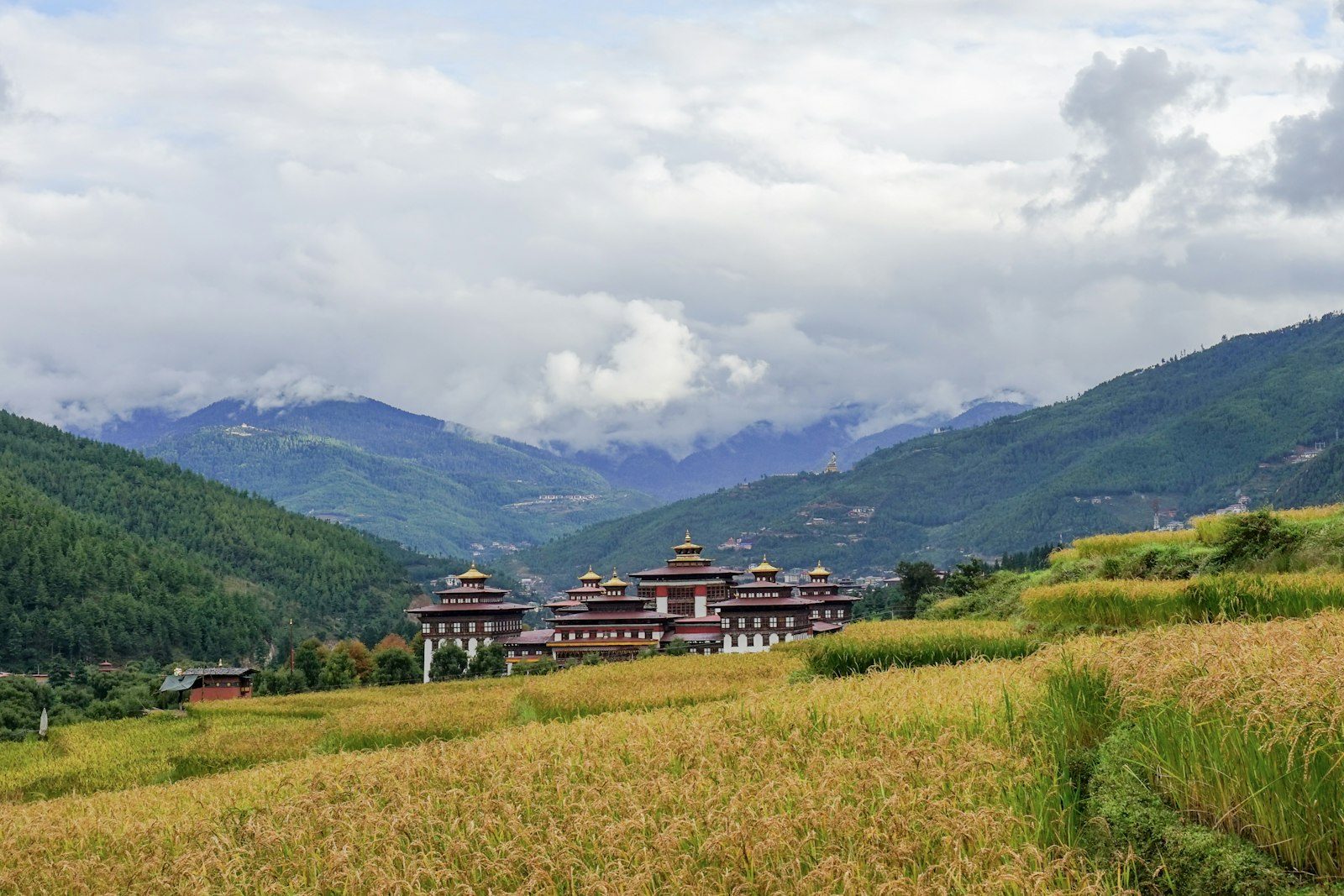
Bhutanese wellness is less exotic and more useful than the brochures suggest. Stripped of the language, it comes down to three things a visitor can genuinely do: a hot stone bath heated with river stones and wild artemisia, a consultation in sowa rigpa, the traditional medical system, and time spent walking slowly at altitude in a country that is quiet by default.
None of it requires a retreat package. All of it can sit inside an ordinary five-night trip based in Paro, and the most restorative part is usually the one nobody sells: three days without a schedule you have to keep.
What is a hot stone bath, actually?
Dotsho is the one experience worth crossing a border for, and it is completely unglamorous.
River stones are heated in an open wood fire until they glow, then lifted with tongs into a sealed channel at the end of a long wooden tub filled with cold spring water and wild artemisia leaves — khempa, the same plant used in moxibustion. The stones crack as they hit the water, which is how you know they are releasing minerals, and the water heats gradually from one end.
You lie in it for half an hour or so while someone adds stones. It smells of wood smoke and bitter herbs, the temperature is controlled by asking for more stones or fewer, and the effect on legs that have just climbed to Taktsang is difficult to overstate.
Farmhouses do this properly. Hotels do a tidier version with a plumbed tub, and the stones are usually still real. Ask which you are getting. What a Paro farmhouse stay is really like describes the whole evening.
What is sowa rigpa?
Bhutan's traditional medical system, related to Tibetan medicine and taught formally at the Faculty of Traditional Medicine in Thimphu. Practitioners are called drungtsho and menpa.
The framework balances three functional principles — usually translated as wind, bile and phlegm — and diagnosis is by pulse reading, questioning and observation. Treatment is herbal formulations, dietary advice, and physical therapies including moxibustion, gold-needle therapy and medicinal baths.
What makes it worth taking seriously rather than treating as decor: it is integrated into Bhutan's public health service. Traditional medicine units sit inside government hospitals, and Bhutanese patients choose between systems routinely. A consultation is available to visitors at the national traditional medicine hospital in Thimphu and at several wellness properties in Paro.
Be clear about what a single consultation is. It is an hour, a pulse reading, a conversation about sleep and digestion, and possibly a herbal preparation to take home. It is not a substitute for medical care, and no responsible practitioner will suggest it is.
Is meditation available to visitors?
Yes, and with less packaging than you might expect.
Several Paro properties run guided morning sessions — breathwork, walking meditation, or sitting practice — usually led by a monk or a trained instructor. Some monasteries accept visitors for a short sitting by arrangement, which your guide can ask about rather than something to turn up expecting.
There are also longer retreats at a handful of dedicated centres, generally three to seven nights, structured and taken seriously. Those need arranging months ahead and are a different trip from the one this page describes.
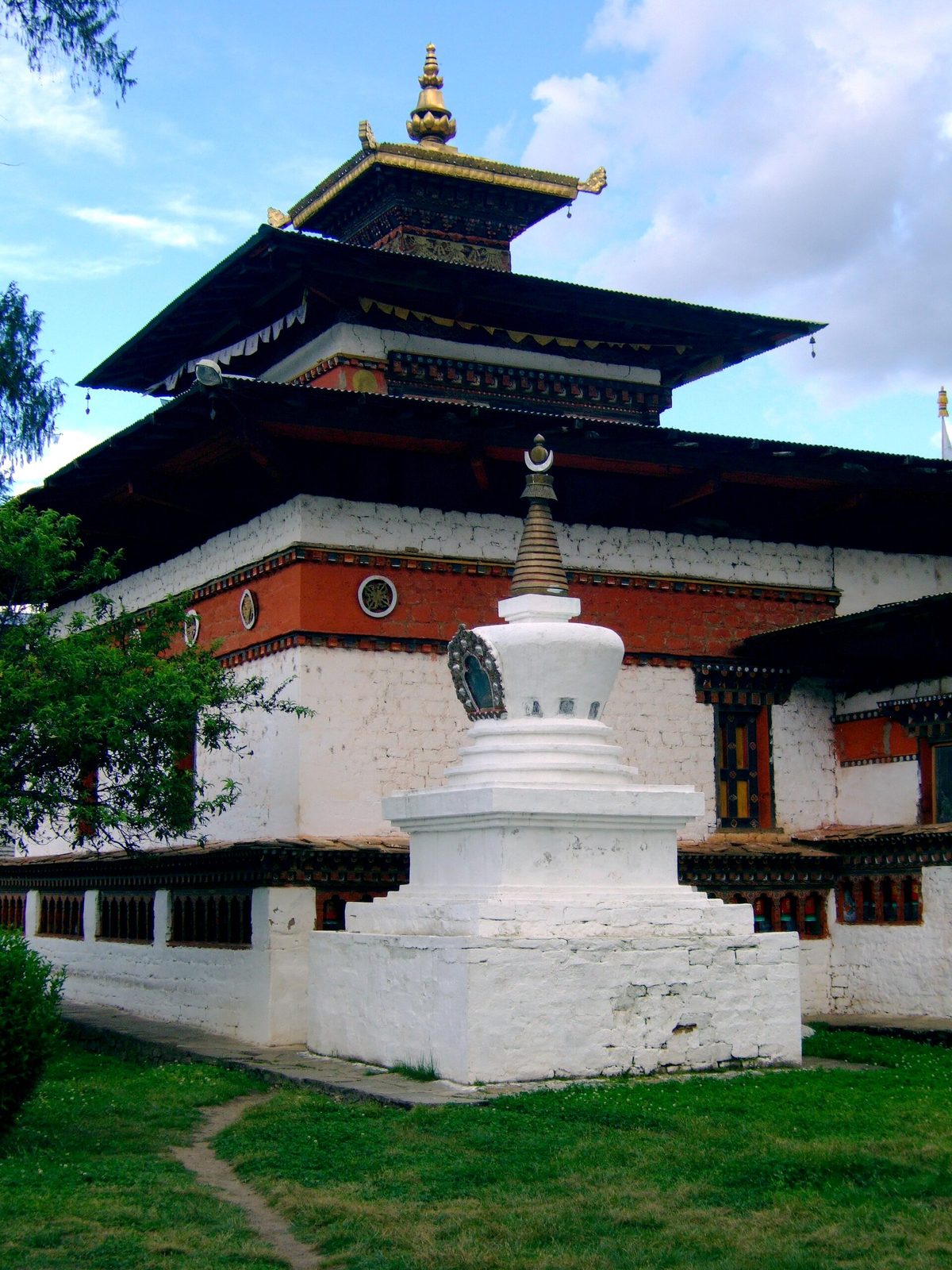
The unstructured version is free and works. Kyichu Lhakhang early in the morning, before the tour vehicles, with pilgrims circling and the smell of butter lamps, is worth more than most scheduled sessions.
Where does this actually happen in Paro?
Three tiers, and the difference is real.
Farmhouses in the valleys around the town give you the authentic hot stone bath, a family dinner, and thin walls. One night is memorable.
Mid-range hotels increasingly offer a spa with a hot stone bath, massage and sometimes a visiting traditional practitioner. Perfectly good, and the level most trips sit at.
The dedicated wellness properties and luxury lodges — Bhutan Spirit Sanctuary, Amankora, Six Senses, Como and their peers — run full programmes with resident practitioners, purpose-built treatment rooms and structured itineraries. They are genuinely excellent and priced accordingly, often more than the flight and the government fees combined. Availability in April and October closes early.
Whichever tier, ask for the property names in your quote rather than a star rating. A wellness itinerary is almost entirely determined by the hotel line.
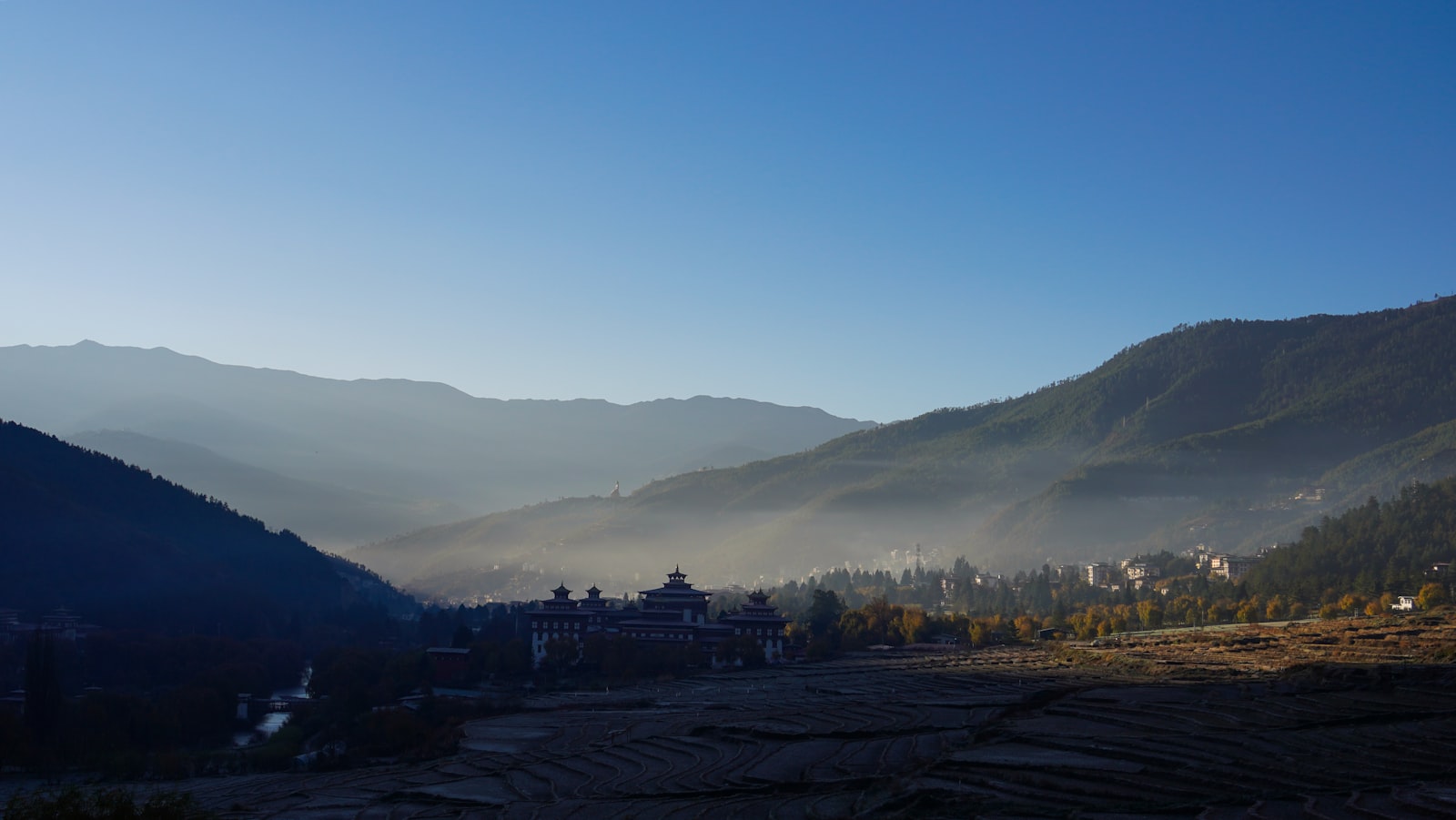
What does a wellness itinerary look like?
Five to seven nights, based in Paro with one or two moves, and paced so the physical day comes late rather than early.
A workable five-night shape: land in Paro and spend the afternoon at valley level, easing into the altitude; day two in the Paro valley with a hot stone bath in the evening; day three over to Thimphu for a traditional medicine consultation and the return drive; day four down to Punakha at 1,200 m, which is the genuine rest day of any Bhutan itinerary; day five back to Paro; day six the dawn climb to Taktsang and the flight home the following morning.
The single most important scheduling rule has nothing to do with wellness and everything to do with physiology: do not climb on the day you land. Paro is at 2,235 m and you arrived from sea level in three and a half hours. How to acclimatise in Bhutan covers what that means, and the Tiger's Nest guide has the climb itself.
What are the rules and the costs in 2026?
Three fixed numbers and one requirement.
- Sustainable Development Fee: USD 100 per adult per night, currently at the concessionary rate through 31 August 2027. Children aged six to eleven pay USD 50; under-sixes are exempt.
- Visa fee: a one-off USD 40 per person, applied for online before travel and stamped into your passport on arrival at Paro.
- Bangkok–Paro return in economy: published fares from THB 31,869 including taxes and surcharges at the time of publishing.
- A licensed Bhutanese guide accompanies international visitors at dzongs, temples and protected sites. This is the law, not an upsell, and in practice the guide is the reason the trip works.
What the SDF actually pays for explains the largest line, and the visa requirements for a Thai passport cover the paperwork.
What should you be sceptical about?
Worth saying, because wellness is the easiest travel category in which to be sold nothing.
Detox claims. A hot bath is a hot bath and it is wonderful. It does not remove toxins, and nobody in Bhutan needs it to in order to justify the experience.
Anything described as ancient and secret. Sowa rigpa is documented, taught in a faculty and practised in hospitals. The mystique is imported.
Retreats that price the SDF as though it were theirs. The fee is USD 100 per adult per night, set by the government, identical at a farmhouse and at a lodge.
Altitude framed as a benefit. Thin air at 2,300 m makes you sleep badly for a night or two. That is a cost to manage, not a treatment.
Farmhouse or lodge?
The two ends of the same trip, and the choice matters more here than on a sightseeing itinerary.
A farmhouse stay gives you the bath in the yard, dinner cooked in the kitchen you are sitting in, and a family who will talk to you all evening. Rooms are simple, the bathroom may be shared, heating is a bukhari stove, and the water is heated over a fire outside. It costs a fraction of a lodge and it is the version most people remember. What a farmhouse stay is actually like has the detail.
A lodge gives you a heated room, a spa with a treatment menu, a therapist on staff and a bath drawn in a stone tub indoors with a view of the valley. It is comfortable, expensive and consistent.
The useful answer for a five-night trip is one of each: two or three nights at a lodge, one at a farmhouse. The contrast is the point, and the farmhouse night is the one that turns up in the photographs afterwards.
Which month suits this best?
March to May and October to November, for the same reasons any Bhutan trip prefers them: clear skies, dry trails, and comfortable days.
Spring has an advantage specific to this kind of trip — rhododendrons, longer light and warmer evenings for sitting outside. Winter is cold, very clear and much cheaper, and a hot stone bath in January is arguably the best version of it. The monsoon is green and quiet and the trails are muddy.
The month-by-month guide sets out the trade-offs, and when to book Bangkok–Paro flights covers the timing.
Plan it around the hotels
Send your dates and what you want from the trip through Book & Hold. We hold your seats and return one written quote covering flights, SDF and visa, with the property names stated and the climb placed on a day you are ready for.
Fares are quoted in Thai baht, per person, inclusive of taxes and surcharges at the time of publishing, and start from the figure shown. Fares, seats and availability are confirmed in writing by OMG Experience, the appointed General Sales Agent for Bhutan Airlines in Thailand, before ticketing.