Eat five things in Kolkata and you will have understood the city: a kathi roll, a plate of puchka, a Kolkata biryani, macher jhol with rice, and as many Bengali sweets as you can manage. Four of the five are best from a stall or a hundred-year-old shop rather than a restaurant.
Bengali food is the most distinct regional cuisine in India — river fish, mustard oil, a five-spice mix called panch phoron, and a national sweet tooth that is not an exaggeration.
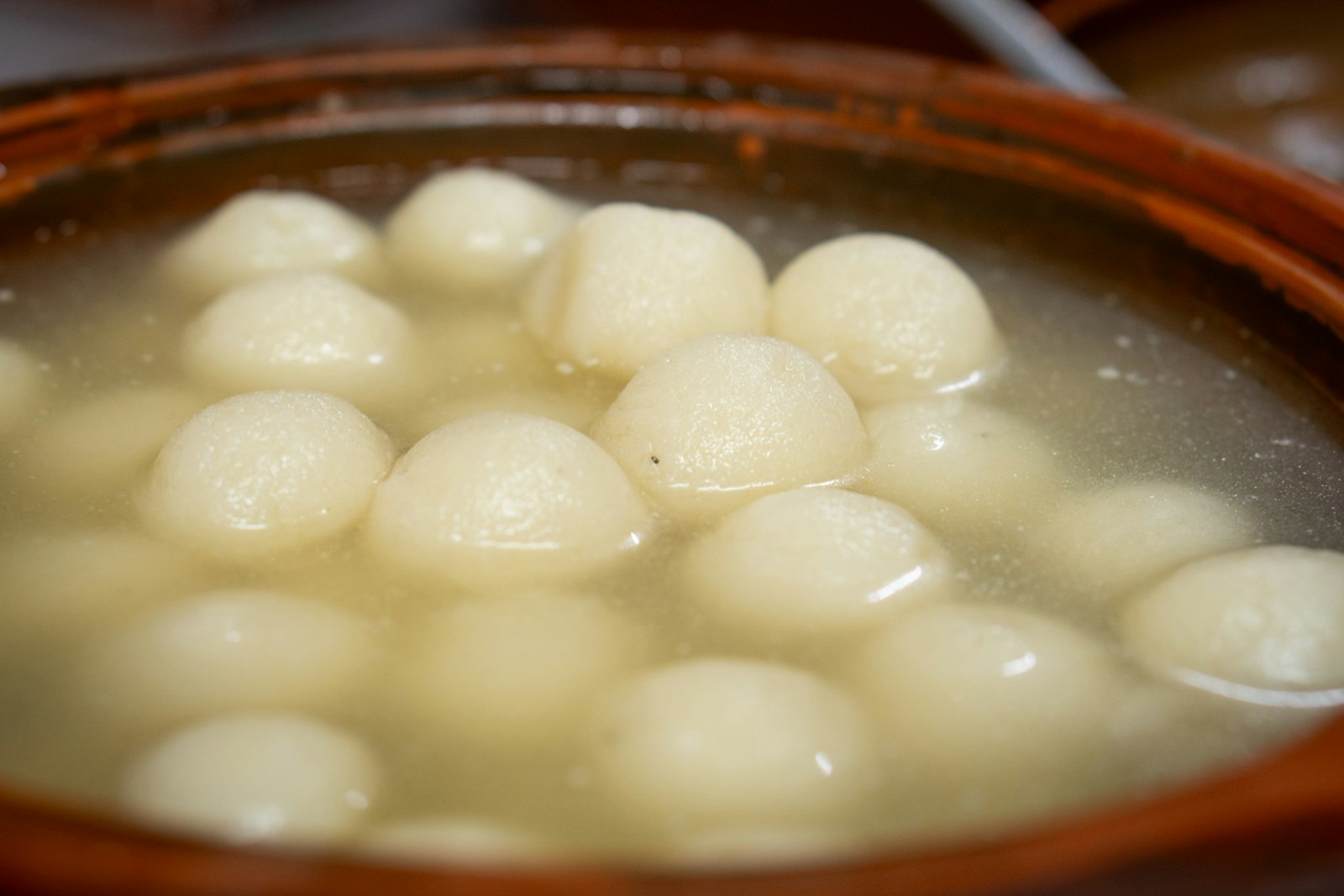
What should you eat first?
The savoury list, roughly in the order of how likely you are to get it right on the first try.
- Kathi roll. Kebab and egg rolled in a flaky paratha. It was invented in Kolkata in the 1930s, at Nizam's near New Market, as a way to sell kebabs to office workers who did not want greasy hands. Every version since is a variation on that idea, and it is still the best thing to eat while walking.
- Puchka. The Bengali form of pani puri: a crisp hollow shell filled with spiced potato and dunked in tamarind water. Sharper, sourer and hotter than the Delhi or Mumbai version. Eat the whole thing in one go — biting it is the beginner's mistake.
- Kolkata biryani. Lighter and less fiery than Hyderabadi, with a whole potato and a boiled egg inside. That potato has a history: the cuisine descends from the Awadhi kitchens that came with Wajid Ali Shah, the exiled Nawab of Awadh, who was moved to Metiabruz on the edge of Kolkata in 1856.
- Macher jhol. A light, thin fish curry, usually rohu or catla, eaten with rice. This is what Bengali households actually eat, and it is a completely different register from restaurant Indian food.
- Kosha mangsho. Slow-cooked mutton, dark and rich, traditionally a Sunday dish.
- Chelo kebab. A local oddity — kebab on buttered rice with a fried egg — served at Park Street institutions and nowhere else on earth.
- Chinese-Indian food. Kolkata has India's only genuine Chinatown, at Tangra, settled by Hakka families. This is where "Indian Chinese" food was invented, and eating it at the source is a different experience from the version that spread across the country.
Which sweets matter?
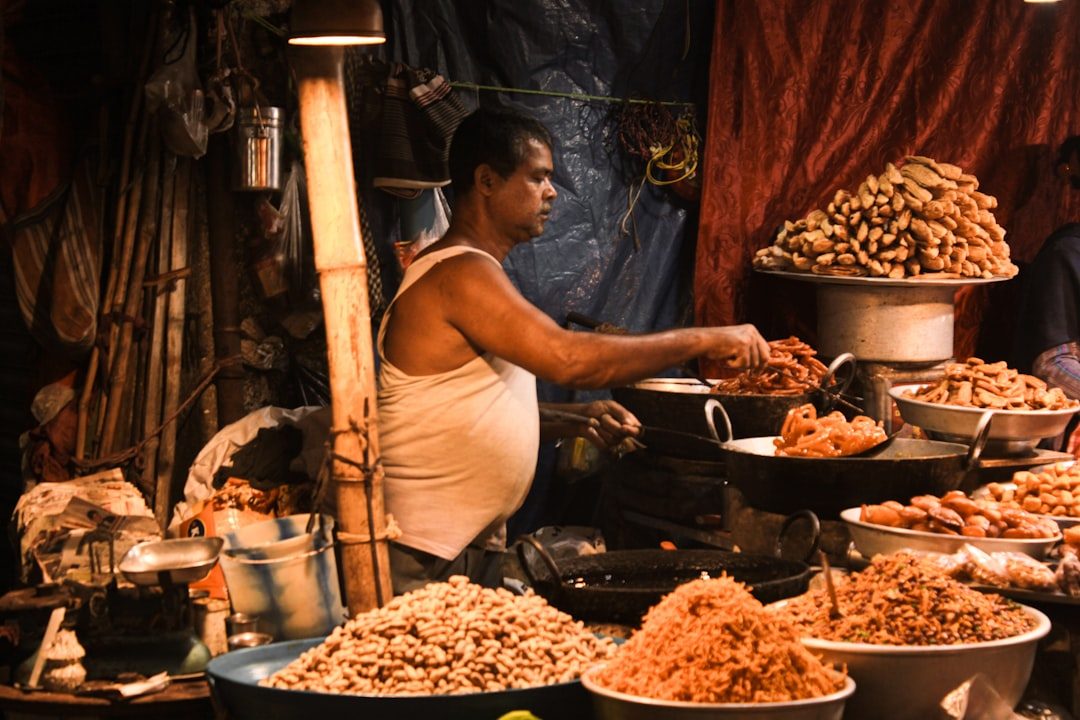
Bengali sweets are a genuine culinary tradition rather than dessert, and the shops are institutions.
- Rosogolla. Chhena balls in light syrup, created by Nobin Chandra Das in 1868 in Bagbazar. There is a long-running rivalry with Odisha over who invented it; in Kolkata the question is settled.
- Sandesh. Pressed chhena, sometimes with jaggery in winter (nolen gurer sandesh), which is the seasonal one worth crossing town for.
- Mishti doi. Sweet yoghurt set in a clay pot, caramel-coloured, served cold. The single most reliable thing on any Bengali menu.
- Ledikeni, named after Lady Canning, and rosomalai, and a dozen others you will be handed without asking.
Go to an old shop rather than a modern bakery: Girish Chandra Dey & Nakur Chandra Nandy in north Kolkata, Balaram Mullick & Radharaman Mullick, or K.C. Das for the rosogolla. Buy two of each. The second one is not optional.
Winter is nolen gur season — date-palm jaggery, available for a few weeks from December. Bengalis plan around it. If you are here then, ask for anything made with it.
Where do you actually eat all this?
By category, because the good version of each is in a different kind of place.
Street and stalls. New Market and the lanes around it for rolls and snacks; College Street for cutlets and coffee at the Indian Coffee House; Vivekananda Park and Southern Avenue in the evening for puchka. Zakaria Street, by the Nakhoda Masjid, is the place for kebabs and haleem, and comes alive after dark during Ramzan.
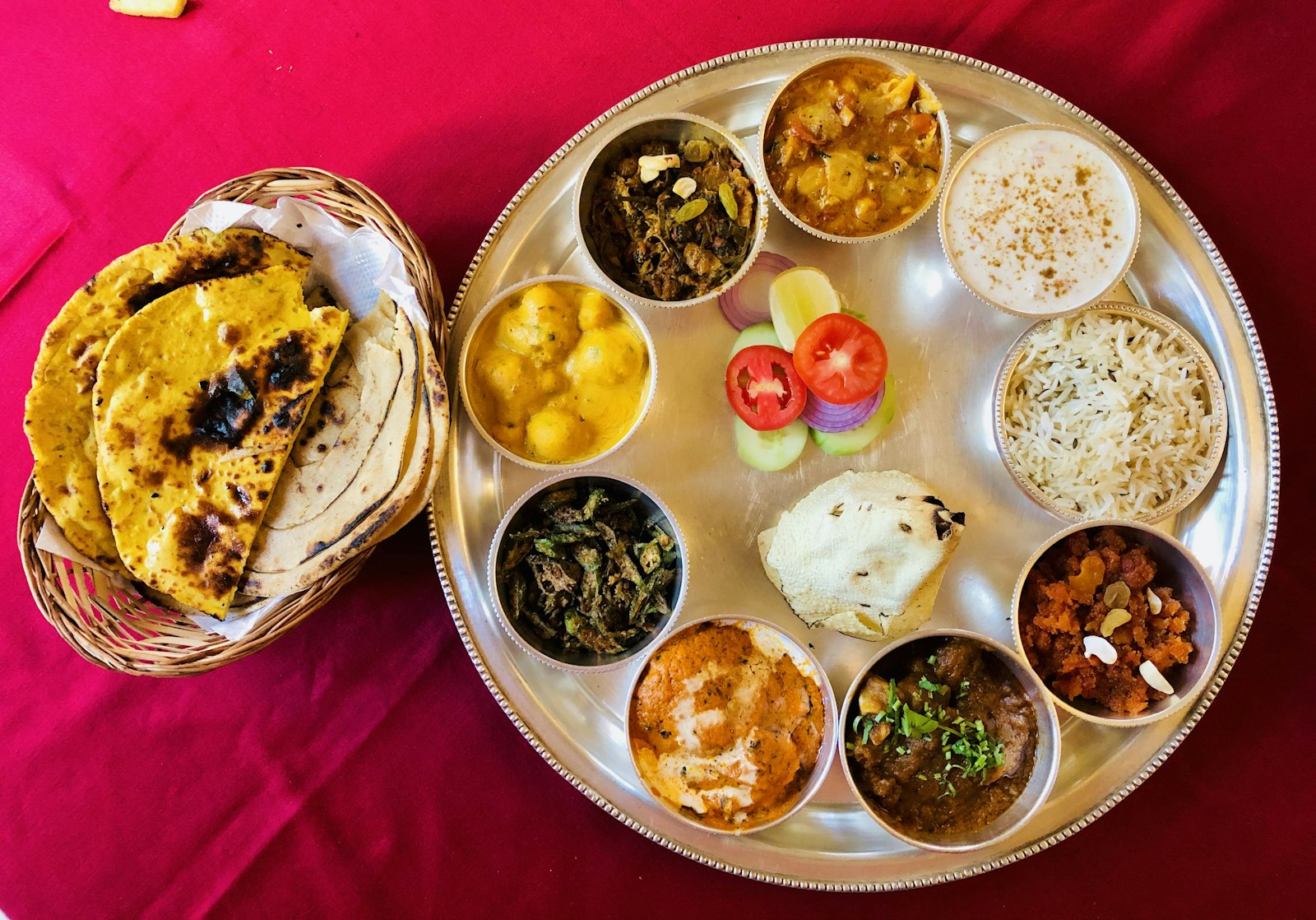
Sit-down Bengali. This is where restaurants earn their place, because home-style Bengali food is hard to find on a street. 6 Ballygunge Place, Bhojohori Manna and Kewpie's all serve the proper sequence — bitter first, then vegetables, then fish, then meat, then sweet — and a thali is the easiest way to try eight things at once.
Biryani. Arsalan, Aminia and Shiraz are the three names locals argue about. Any of them will do; all three are better than the argument suggests.
Breakfast. Flurys on Park Street, open since 1927, for an English breakfast in a room that has not changed much. Or luchi and alur dom from a corner shop, which is what the city actually eats.
Tea. A clay cup of milky cha from a roadside stall, drunk standing up, and the cup thrown away after. Do this several times a day.
Is there anything for vegetarians?
Yes, more than the fish reputation suggests, though you have to ask.
Bengali vegetarian cooking is genuinely good: shukto, a slightly bitter mixed-vegetable dish that opens a formal meal; aloo posto, potatoes with poppy seed; dhokar dalna, lentil cakes in gravy; begun bhaja, fried aubergine; and luchi with any of them. The sweets are all vegetarian, and mishti doi is everywhere.
Two warnings. First, "vegetarian" in a Bengali kitchen sometimes still means the dish was cooked in a pan that had fish in it, so say so clearly if that matters. Second, many Bengali vegetable dishes contain onion and garlic, which matters for Jain and some Thai temple-group diets — ask, and the restaurant will usually adapt.
Halal food is easy to find around Zakaria Street, Park Circus and New Market.
How does a proper Bengali meal work?
Worth knowing before you sit down, because a Bengali thali arrives as a sequence rather than a spread and eating it in the wrong order is a small waste.
The traditional order runs bitter, then vegetables, then dal, then fish, then meat, then chutney, then sweet. It opens with shukto or a bitter gourd dish, which sounds like an odd start and is meant to wake the palate. Rice sits in the middle of the plate and everything else is mixed into it a little at a time with the right hand.
Two practical notes. Portions are small and refills are constant, so pacing yourself early is wise. And the meal is eaten with fingers as a matter of course; cutlery appears if you ask and nobody minds either way.
The fish is the centre of the meal, not a course among others. If you eat only one thing properly in Kolkata, make it fish with rice in a Bengali restaurant, at lunch, unhurried.
What will it cost?
Less than almost anyone expects, and the cheap end is the good end.
A kathi roll from a stall runs to a few tens of rupees. A plate of puchka is loose change. A biryani at Arsalan or Aminia is a modest sit-down price, and a full Bengali thali at 6 Ballygunge Place or Bhojohori Manna is still comfortably less than a mid-range Bangkok restaurant. Sweets are sold by the piece and cost very little.
The expensive options are the hotel restaurants and the Park Street institutions, and they are worth one visit for the room rather than for the food.
Carry small notes. Stalls, sweet shops and taxis are cash, and nobody has change for a large bill at seven in the morning.
How do you eat street food without getting ill?
The rules are boring and they work.
- Busy stalls only. High turnover means fresh oil and fresh filling. An empty stall at a busy hour is telling you something.
- Hot and cooked in front of you. Rolls, kebabs, telebhaja and anything from a wok are safe by construction.
- Be careful with water-based things in your first days. Puchka water and cut-fruit are the two usual culprits. If you want puchka, and you should, have it at a stall the locals queue at.
- Bottled or filtered water, and no ice in drinks from a stall.
- Wash or sanitise your hands. Most of this food is eaten with fingers.
Sweets from an established shop are as safe as food gets, since chhena-based sweets are made fresh daily and sell out.
When is the food best?
November to February. Cooler weather means you can eat four times a day and walk between the meals, nolen gur is in season, and the winter vegetables are at their best.
Durga Puja, in late September or October, turns the whole city into a food event — pandal food stalls run through the night and restaurants stay open absurdly late. It is the most fun and the most crowded. The Durga Puja guide has the timing.
Monsoon, from June to September, brings ilish — hilsa, the fish Bengalis are most sentimental about, at its best in the rains and full of small bones. Worth ordering once, with someone who can show you how to eat it.
Plan the eating around the walking
Two days is enough to eat well here. The first-timer's guide to Kolkata sets out the sights and the pacing, and puts the meals where they belong: mornings for sightseeing, afternoons for sweets, evenings for whatever is being fried on the street.
Bhutan Airlines flies Bangkok–Kolkata (BKK–CCU) daily, and you will need an India e-Visa — the step-by-step guide covers it. When your dates are set, Book & Hold holds the seats free for 48 hours while we return one written quote.
Fares are quoted in Thai baht, per person, inclusive of taxes and surcharges at the time of publishing, and start from the figure shown. Fares, seats and availability are confirmed in writing by OMG Experience, the appointed General Sales Agent for Bhutan Airlines in Thailand, before ticketing.