Two full days covers the core of Kolkata, and three lets you do it without hurrying. The four fixed points are the Victoria Memorial, the Howrah Bridge, the Indian Museum and College Street, all within a short taxi ride of each other in the centre and the Maidan. Bhutan Airlines flies Bangkok–Kolkata (BKK–CCU) daily.
Come between November and February. The city is at 6 m above sea level on the Hooghly delta, and outside that window it is either 40°C or under monsoon.
What should you see on a first visit?
Six things, in the order they make sense geographically.
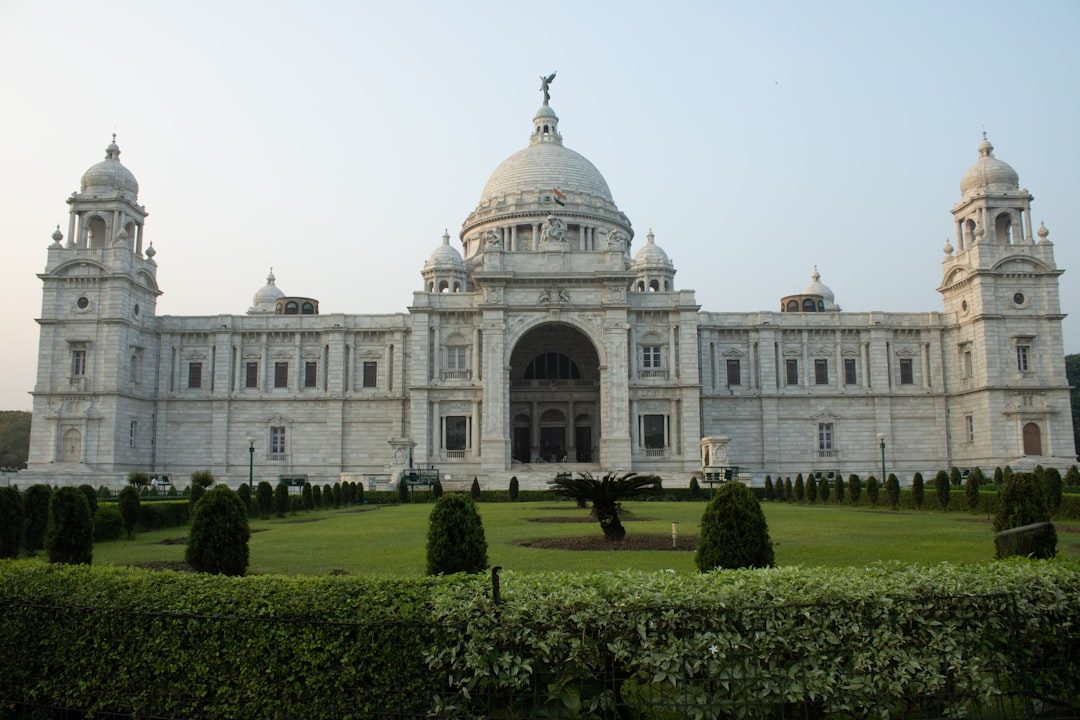
- The Victoria Memorial. Built between 1906 and 1921 in white Makrana marble, set in 26 hectares of gardens on the southern edge of the Maidan. The building is the point; the museum inside is a genuinely good survey of the colonial city.
- St Paul's Cathedral, two minutes' walk away, and the Maidan itself — a vast public green that Kolkata treats as its living room, full of football matches and grazing goats at the same time.
- The Indian Museum. Founded in 1814, the oldest museum in India and one of the largest in Asia. Give it two hours and accept that some galleries are tired.
- Dalhousie Square (BBD Bagh). The administrative core of British India before the capital moved to Delhi in 1911, and still the densest concentration of that architecture anywhere in the country.
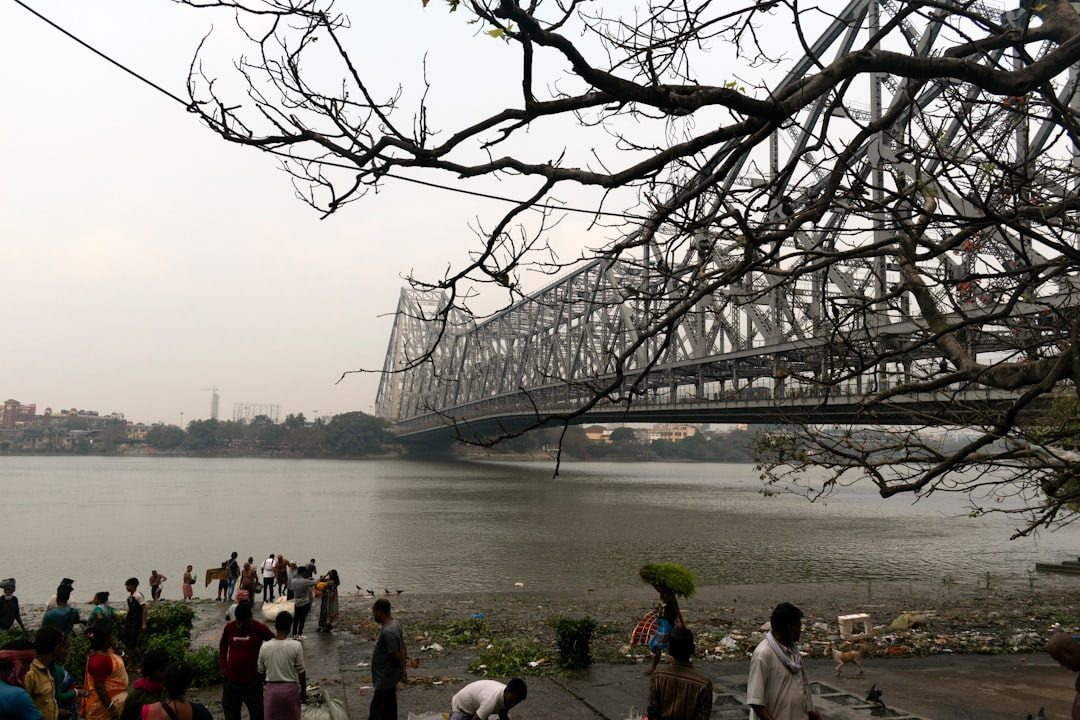
- The Howrah Bridge. A cantilever bridge opened in 1943, carrying somewhere over 100,000 vehicles and far more pedestrians a day. Photography of the bridge itself is restricted, so walk it and look rather than aim.
- College Street. Roughly a kilometre of secondhand bookshops known as Boi Para, with the Indian Coffee House in the middle of it, where a plate of cutlets and an hour of argument have been the local currency since the 1940s.
How should you get around?
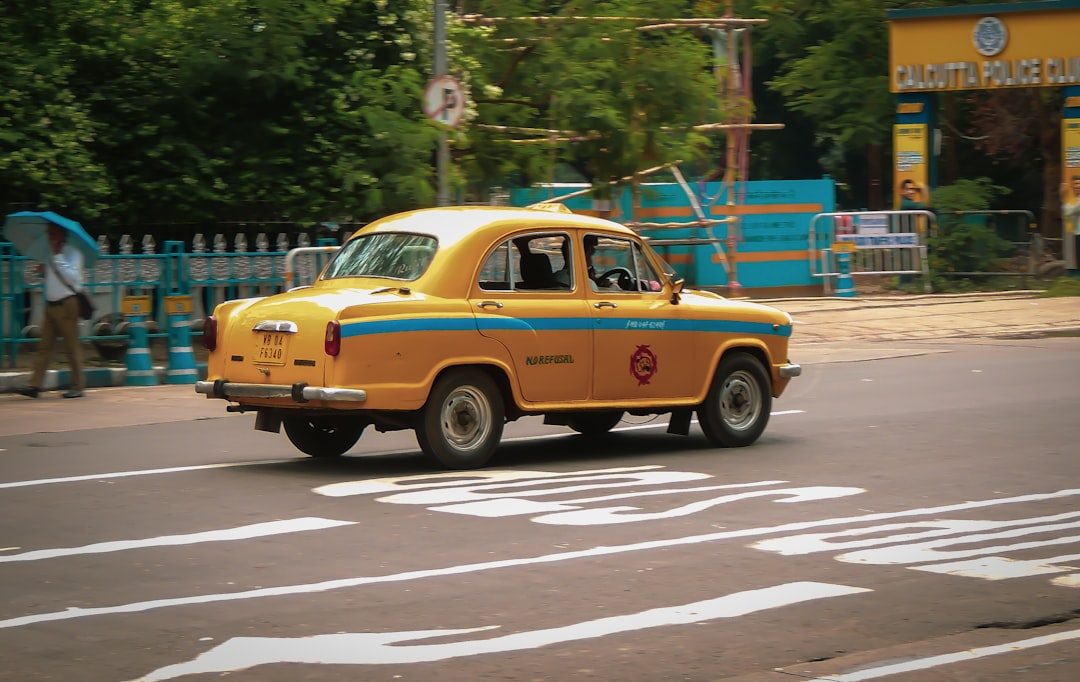
Yellow Ambassador taxis are the classic answer and the fun one. The car itself stopped being made in 2014, so the fleet is ageing and slowly disappearing — ride one at least once while they are still there. Insist on the meter or agree a price first.
App taxis work well and are what most residents use, which makes them the sensible default for anything with a schedule attached.
The Metro, opened in 1984, was India's first. It is cheap, air-conditioned and fast along the north-south spine, which happens to be exactly the axis most visitors travel.
Trams are the romantic option and increasingly a museum piece: Kolkata has run trams since 1902 in electric form and is the last Indian city to keep any, but only one or two routes still operate. Ride one for its own sake, not to get anywhere.
Walking is how the centre is best seen, in the morning. By midday in any month you will want a car.
How do you pace two days?
The mistake is treating this like a sightseeing city. Kolkata rewards sitting down in it.
Day one: Victoria Memorial and St Paul's early, the Indian Museum before lunch, Park Street for lunch, then Dalhousie Square in the late afternoon and the riverfront at Prinsep Ghat for sunset.
Day two: the flower market under Howrah Bridge at first light — chaotic, drenched in marigolds, and the best hour in the city — then College Street and the Indian Coffee House, an afternoon rest, and Kumartuli in the late afternoon, where the clay idols for Durga Puja are made all year round in open workshops.
A third day, if you have it: Kalighat Temple and the Mother House, both south of the centre, or a day trip to Dakshineswar upriver.
When is the best time to come?
November to February is the season. Days sit in the low to mid twenties, evenings are cool, and the humidity finally drops. December and January are the most comfortable weeks of the year.
March is warm and workable. April to June reaches the high thirties and low forties with punishing humidity, and no amount of enthusiasm survives it. June to September is the monsoon — heavy, dramatic, and prone to street flooding that stops traffic for hours.
Late September or October brings Durga Puja, the city's defining festival and a genuinely extraordinary thing to witness. It is also the single most crowded and expensive week of the Kolkata year, and it is worth deciding deliberately whether you want that trip or a quiet one. The Durga Puja guide sets out what the days actually involve.
Where should you stay?
Three areas, and the choice changes the trip more than the hotel does.
Park Street and the Maidan fringe is the default: walking distance to the Victoria Memorial, the museum and most of the restaurants worth eating in, with the widest range of hotels. If you have two days, stay here.
Dalhousie Square and the BBD Bagh side puts you in the old commercial city, closer to the river, the flower market and Howrah. Quieter at night in a slightly unnerving way, since the district empties when the offices close. Good for a second visit.
Salt Lake and the New Town corridor is modern, green and near the airport, which is exactly why it suits a single overnight between flights and nothing else. It is a long way from anything you came to see.
Avoid booking anything on a main road without checking whether the room faces it. Kolkata is loud, and horns are constant until late.
What is the city actually like?
Worth saying plainly, because Kolkata gets described in adjectives and then surprises people.
It is crowded, loud and visibly worn. Pavements are broken, buildings that were grand in 1910 have trees growing out of them, and the traffic is a negotiation rather than a system. If you have only travelled in Bangkok and Singapore, the first hour is a shock.
It is also the most literary, argumentative and welcoming city in India, and the two facts are connected. This is a place where a bookshop owner will close his shop to walk you to a better one, and where a stranger on a tram will ask what you think of Tagore and mean it. The warmth is not performed for visitors.
Practically: it is a safe city by the standards of large Indian cities, including for women travelling in the centre in the evening. Take the usual precautions with bags in markets and on the Metro at rush hour, agree taxi fares before you get in, and you will be fine.
Two days is enough to like it. Nobody comes here for a resort.
What are the practical details?
Visa. You need an India e-Visa, applied for online before departure, and Kolkata is an approved entry airport. The step-by-step guide covers the fee, the four-day cut-off and the e-Arrival Card that came in during October 2025.
Airport. Netaji Subhas Chandra Bose International (CCU) is about 17 km north-east of the centre, which is 45 minutes in light traffic and well over an hour in the wrong part of the day.
Money. Rupees. ATMs are everywhere in the centre and cards work in restaurants and hotels, but street food, taxis and markets are cash.
Water and food. Bottled or filtered water only. Street food is one of the great reasons to come here and the rule is simple: busy stalls, high turnover, hot and freshly cooked. What to eat in Kolkata has the list worth working through.
Language. Bengali is the city's language and English is widely spoken in the centre.
Is Kolkata a stopover or a destination?
Both, and it is worth being honest about which one you are planning.
As a destination, two or three days is a proper short break, and the city has more genuine character per street than anywhere else in eastern India.
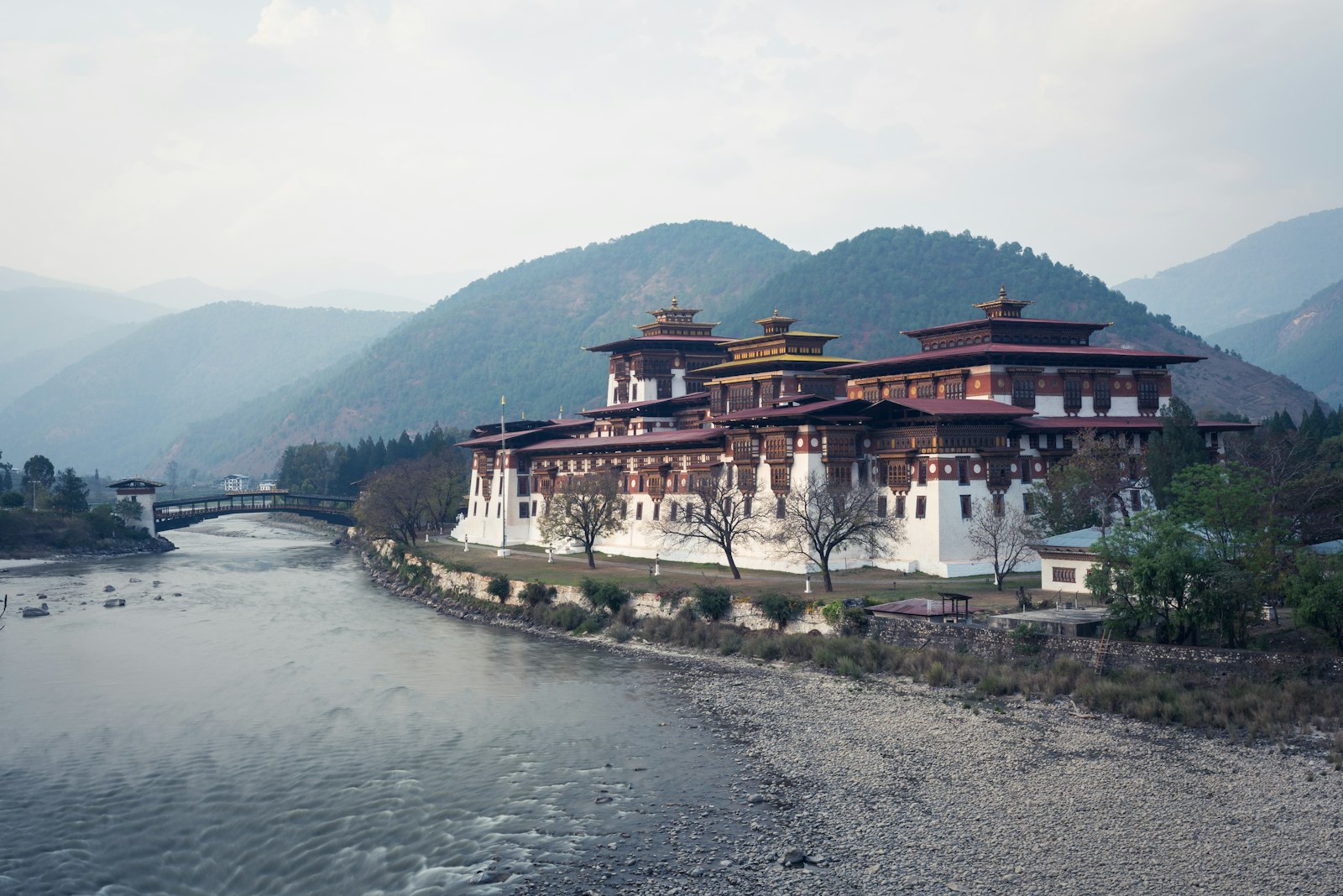
As a connection, Kolkata is where the Bhutan Airlines network joins up: some Bangkok–Paro routings operate via CCU, so a stop here can be built into a Bhutan trip rather than added to it. If cloud closes the Paro valley, Kolkata is also where a diverted flight is most likely to sit and wait — what actually happens when Paro weather delays your flight explains the operational side.
For Bodh Gaya, though, Kolkata is a long way round: roughly 450 km, with a domestic hop or an overnight train at the end. Fly into Gaya (GAY) in season if the pilgrimage is the trip.
Hold your dates
Send your dates through Book & Hold. We hold the seats free for 48 hours and return one written quote.
Every Bhutan Airlines fare includes 25 kg checked and 7 kg cabin baggage in economy, 30 kg in business, and a meal. Fares are quoted in Thai baht, per person, inclusive of taxes and surcharges at the time of publishing, and start from the figure shown. Fares, seats and availability are confirmed in writing by OMG Experience, the appointed General Sales Agent for Bhutan Airlines in Thailand, before ticketing.