← All articles Before you fly

What to pack for the Himalayas

At a glance
  • Layering is essential: mountain mornings are cold, valley afternoons warm.
  • Bring sturdy, broken-in shoes for the Tiger's Nest hike.
  • Modest clothing (covered shoulders and knees) is expected in temples.
  • Sun protection matters year-round at altitude.
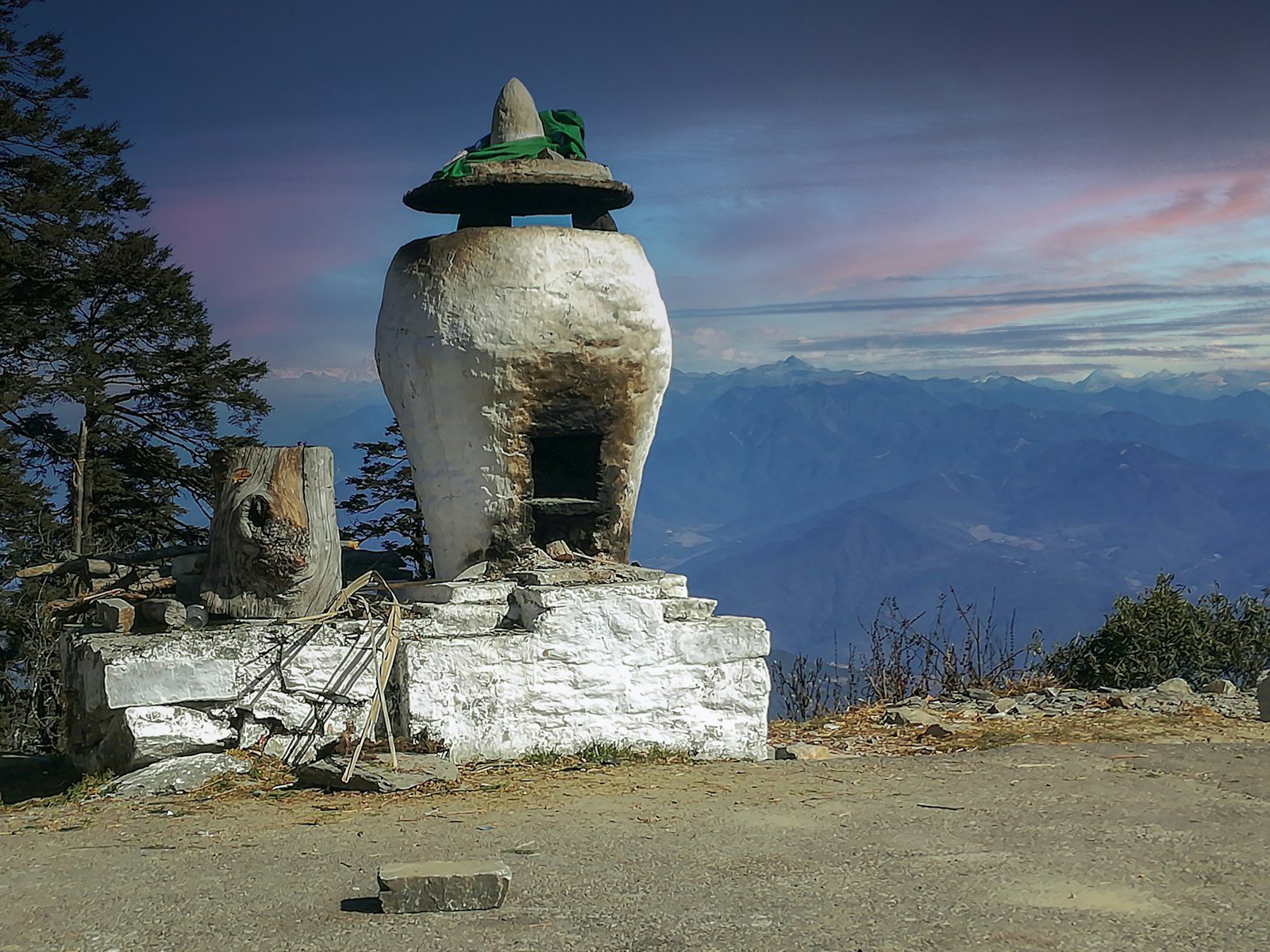
Prayer flags at Chele La pass in Bhutan

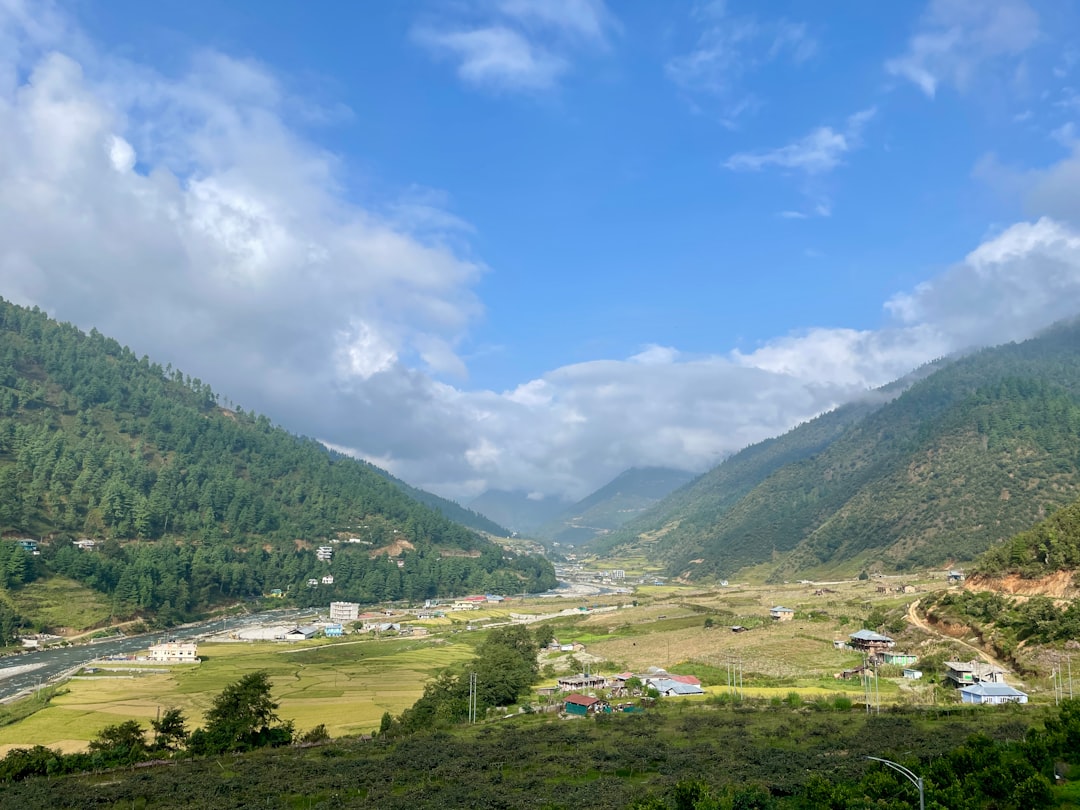
Bhutan's weather changes with altitude and the time of day, so packing in layers is the single best decision you can make. A frosty dawn at a mountain pass can become a warm afternoon in the valley within a few hours.
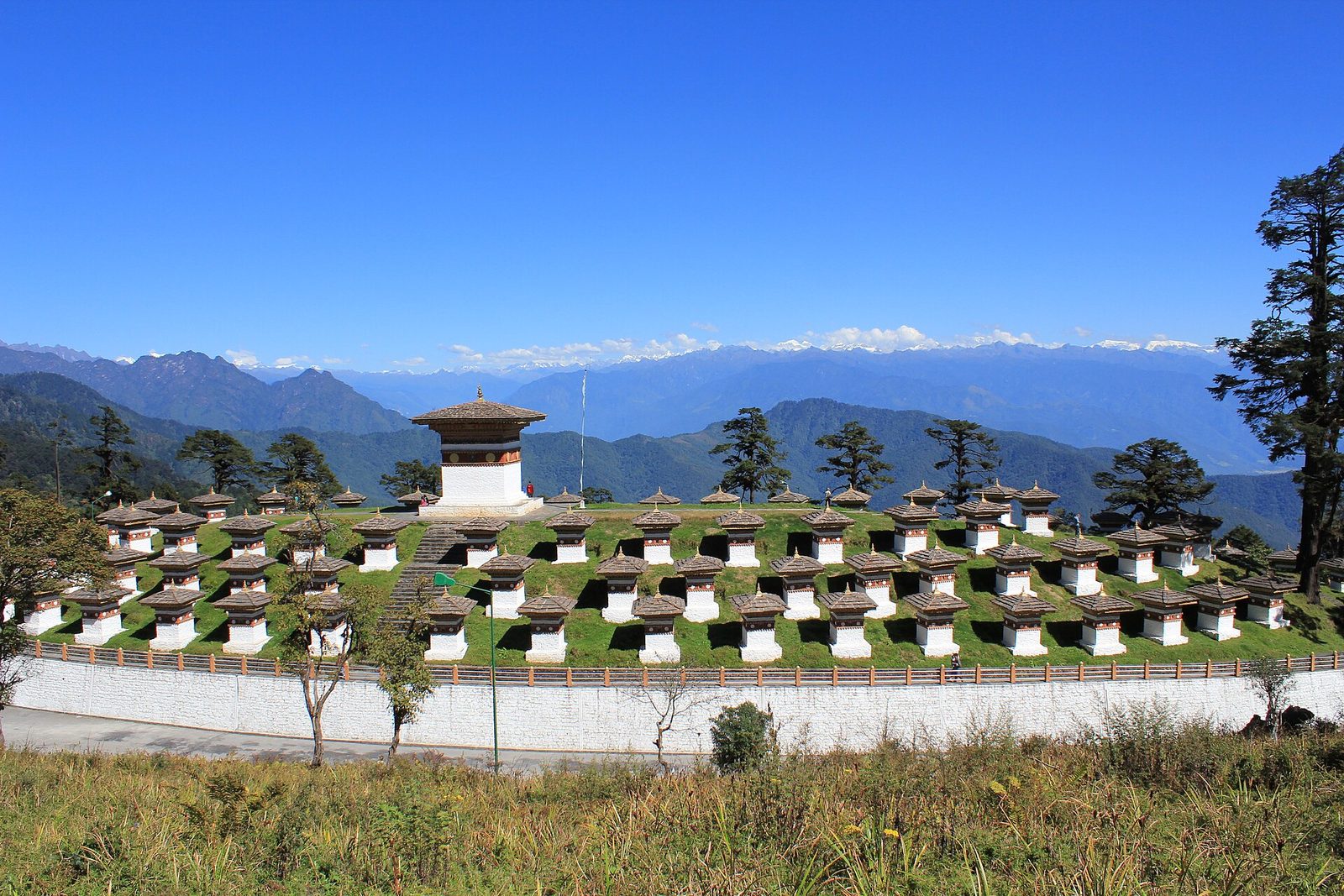
Prayer flags at the Dochula pass

The essentials

  • Warm mid-layers and a windproof, water-resistant outer layer
  • Sturdy, broken-in walking shoes for the Tiger's Nest climb
  • Strong sun protection: high-SPF cream, sunglasses and a hat, because the mountain sun is fierce
  • Modest clothing that covers shoulders and knees for temple and dzong visits
  • A reusable water bottle and any personal medication

Dressing for temples

Bhutan's dzongs and temples are active places of worship. Long trousers or skirts and covered shoulders are expected, and you will remove shoes and hats before entering shrine rooms.

Pack half the clothes and twice the layers. You will re-wear favourites and be grateful for every warm layer at altitude.

Season by season

Spring and autumn are mild and popular; winter is crisp, clear and cold, especially at passes; the summer monsoon brings green valleys and afternoon rain. Whatever the season, the layering rule holds. When your dates are set, hold your fare and start planning the rest.
Frequently asked questions

What should I wear to visit temples in Bhutan?

Wear long trousers or a long skirt with covered shoulders. You will remove shoes and hats before entering shrine rooms, so slip-on footwear helps.

How cold does it get in Bhutan?

It varies with altitude and season. Valley days are often mild, but mornings, evenings and mountain passes can be near freezing, especially in winter.

Sources

Keep reading
View all articles →
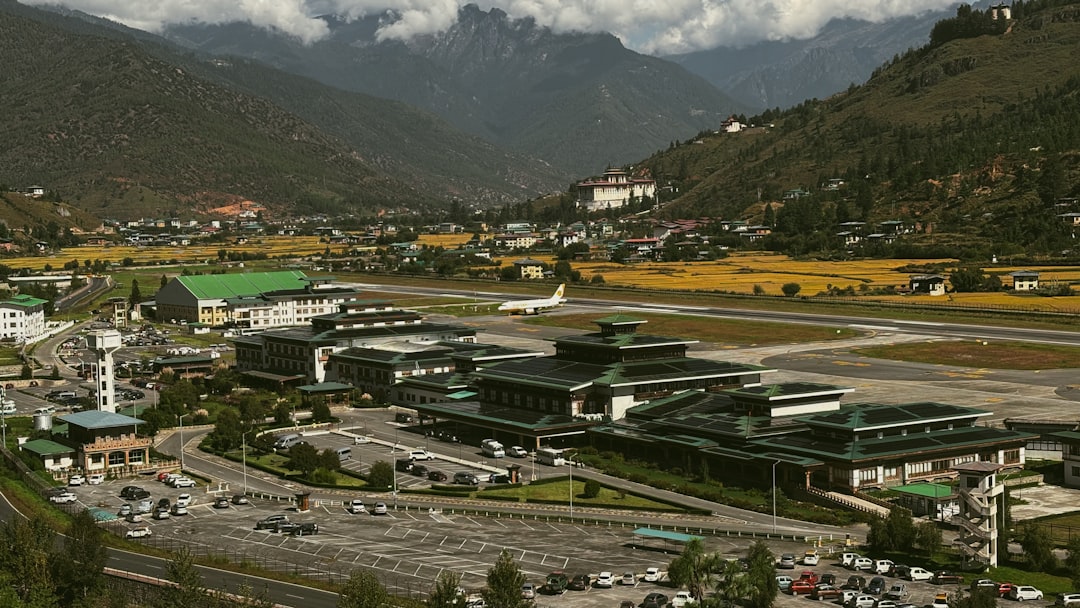
Paro International Airport in its Himalayan valley, with an aircraft on the runway
Before you fly

What Bhutan's Sustainable Development Fee Actually Costs in 2026

Bhutan charges most visitors a Sustainable Development Fee of USD 100 per person per night in 2026 — a concession on the standard USD 200 that holds until 31 August 2027. Here is what it costs, who pays less, and what it buys.

Read Story →
A street in Thimphu, Bhutan's capital, with traditional buildings and mountains beyond
Before you fly

Do You Need a Visa for Bhutan? Requirements for Thai and Other Passports

Yes — Thai passport holders need a Bhutan visa, arranged before you fly. It is an e-visa, it costs USD 40, it takes about five working days, and you cannot apply as an unaccompanied independent traveller. Here is the full checklist.

Read Story →
A green Bhutanese valley of rice terraces and forested mountains
Before you fly

How Much a Bhutan Trip Really Costs from Thailand: A Baht Breakdown

Most Bhutan cost guides are written in US dollars for American readers. This one is in baht, from Bangkok, with the real Bhutan Airlines fare — a five-day trip broken into flight, SDF, visa and land costs, plus where the number moves.

Read Story →